IDENTIFYING HOME WITH BIG SPECIAL
A conversation with Joe and Callum about folklore, food, the Black Country, and the things that shape us.
Big Special is a post-punk duo hailing from the Black Country in the West Midlands of England. The area got its name because of the intense industrialization during the mid 19th century where it was the global hub for coal mining, iron founding, steel manufacturing and more. The city and the land would be obfuscated by black smoke and dusted with soot and coal.
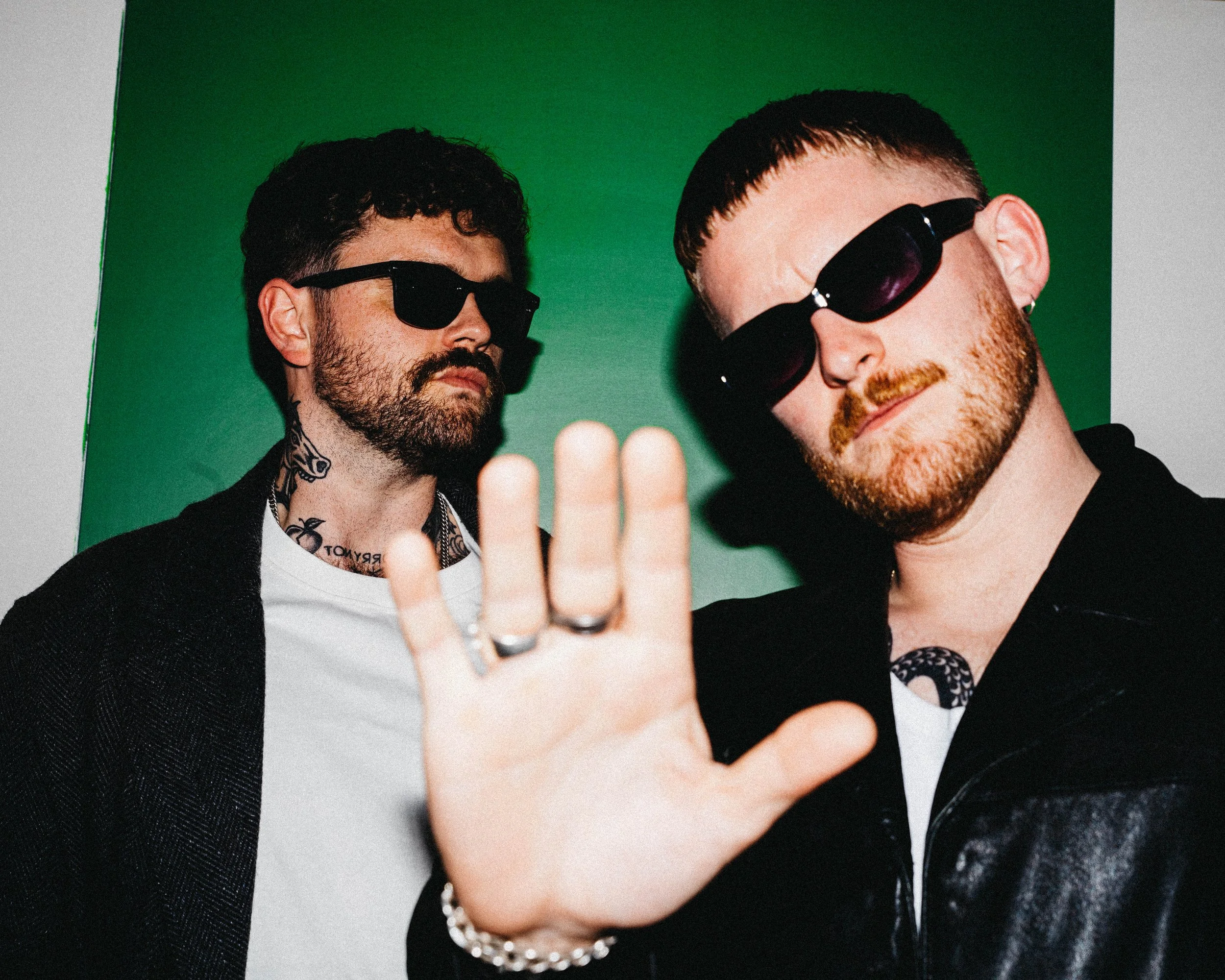
Joe (left) and Callum (right); Big Special
The duo consists of vocalist Joe Hicklin and drummer Callum Moloney. Joe, a former van-driver and Callum, a former laborer, had been good friends for over a decade before they decided to get together and officially create Big Special, building a solid reputation as one of England’s most promising new bands. Masterfully blending humor, working-class discontent, biting wit, raw emotion, and unexpected tenderness into songs that are intensely intimate yet resonate with a collective sense of struggle.
I sat down with Joe and Callum at Wicked Weed Brewery right before their set at The Orange Peel supporting The Lambrini Girls in October. While they’ve done a few big festivals in the states in places like Chicago, Detroit, and Indianapolis, this is their first proper American tour. A huge milestone for a couple of lads from across the pond.
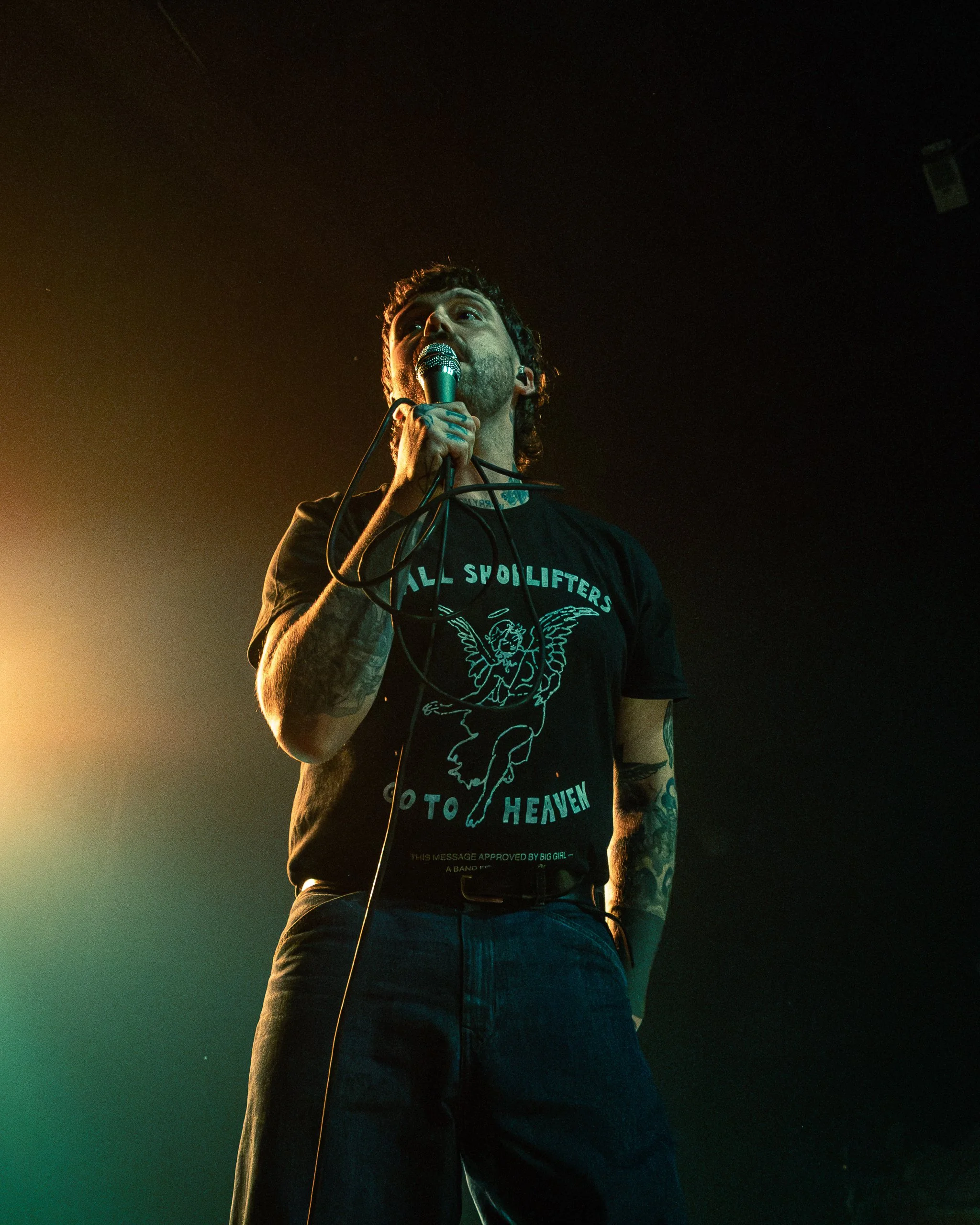
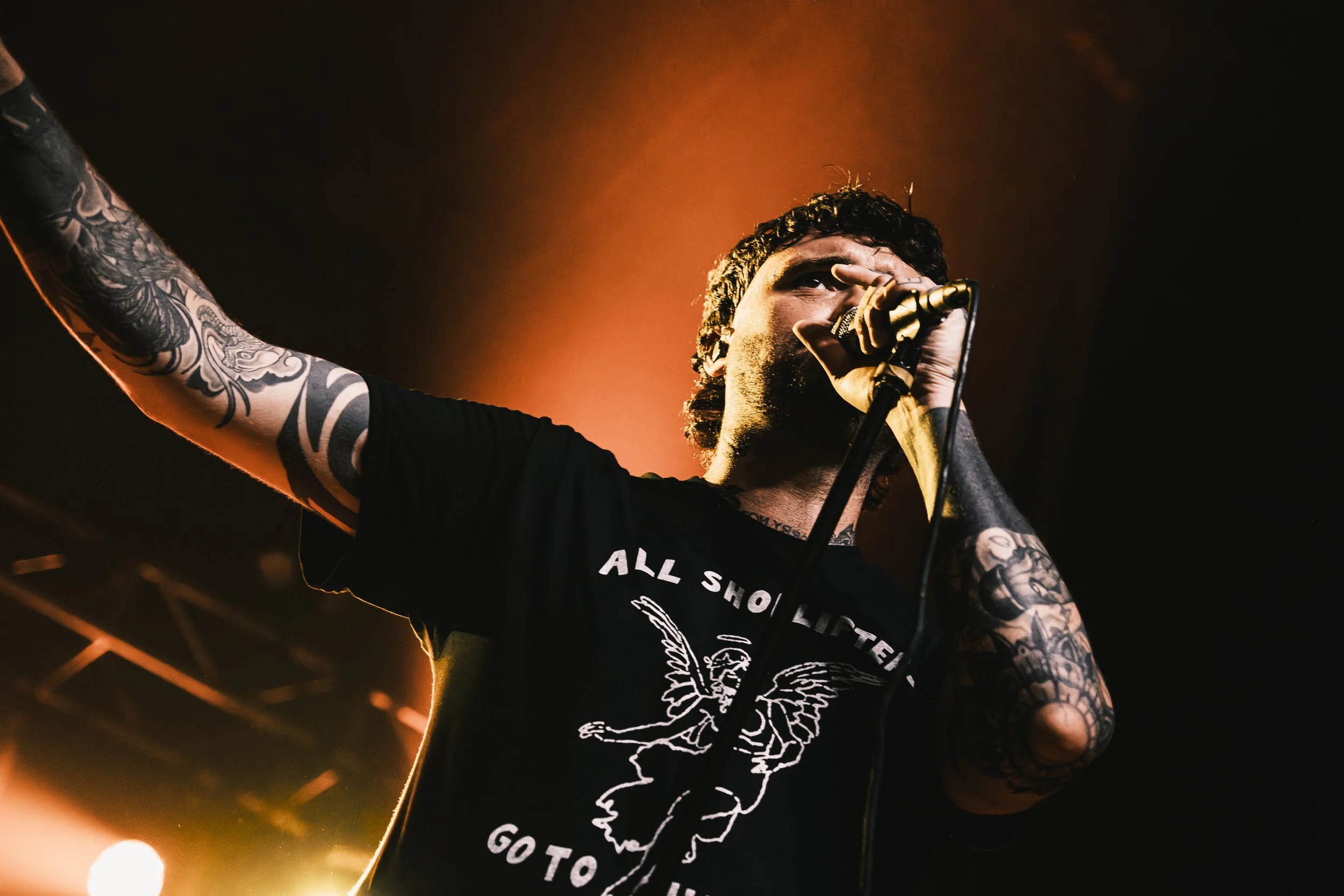
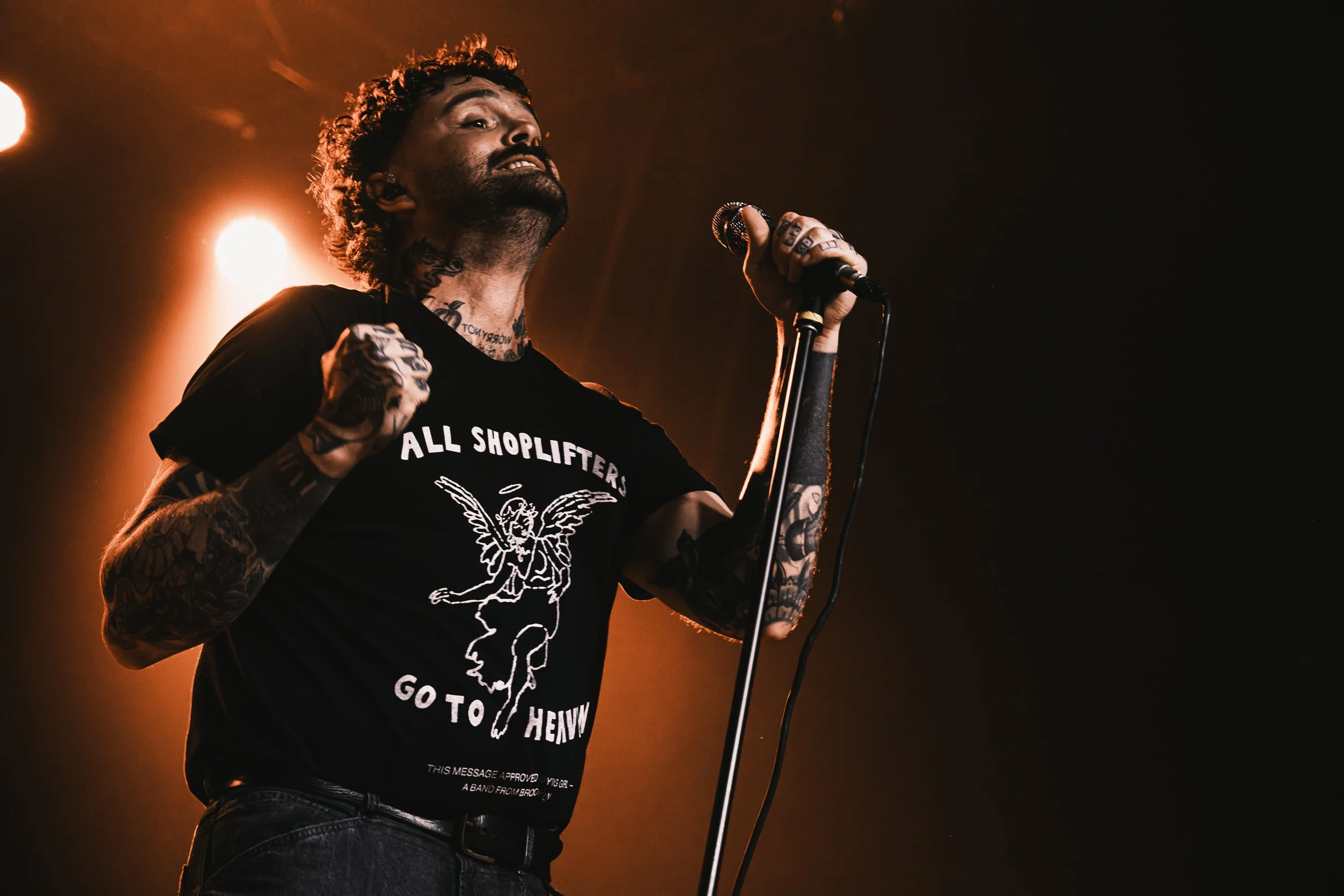
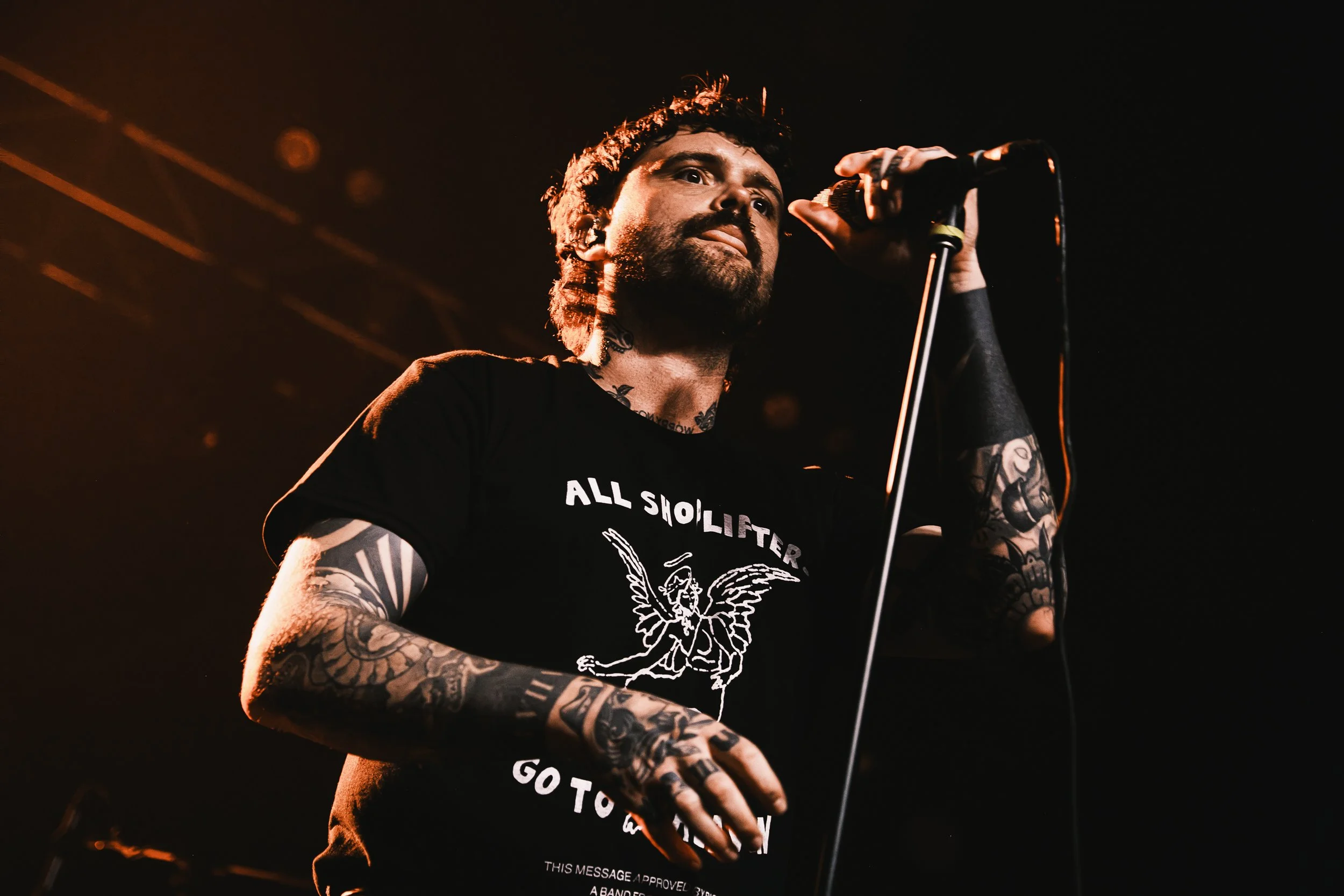
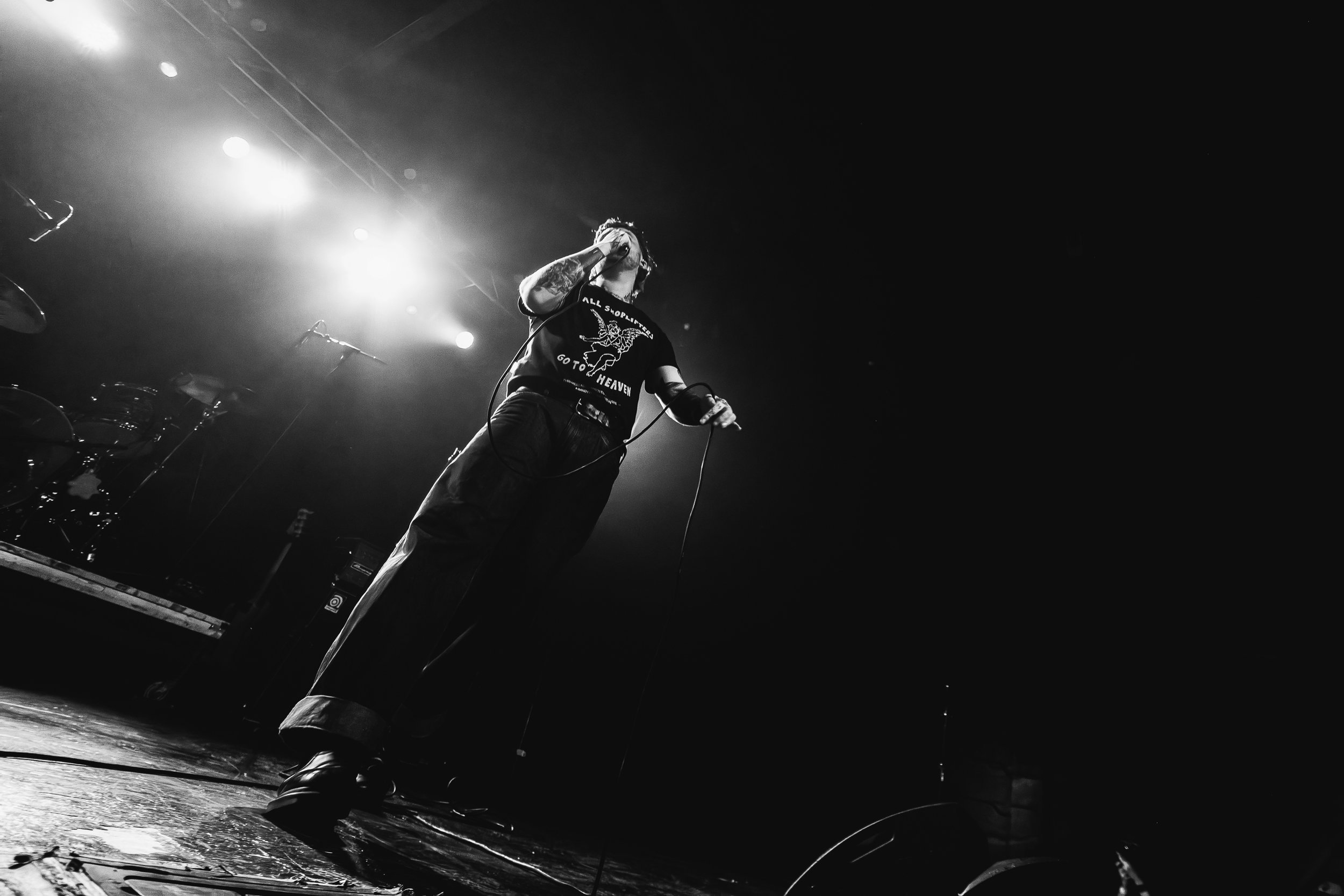
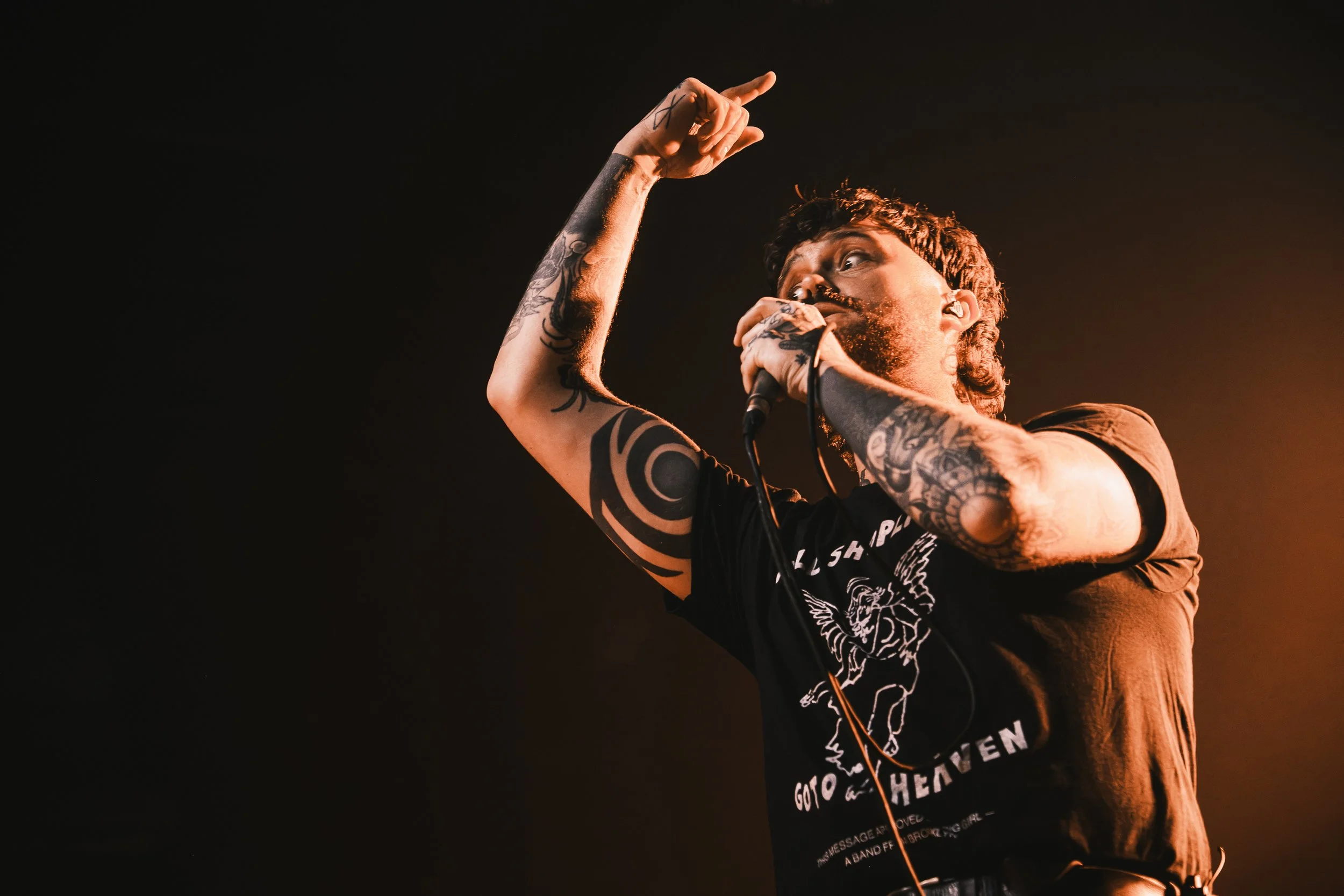
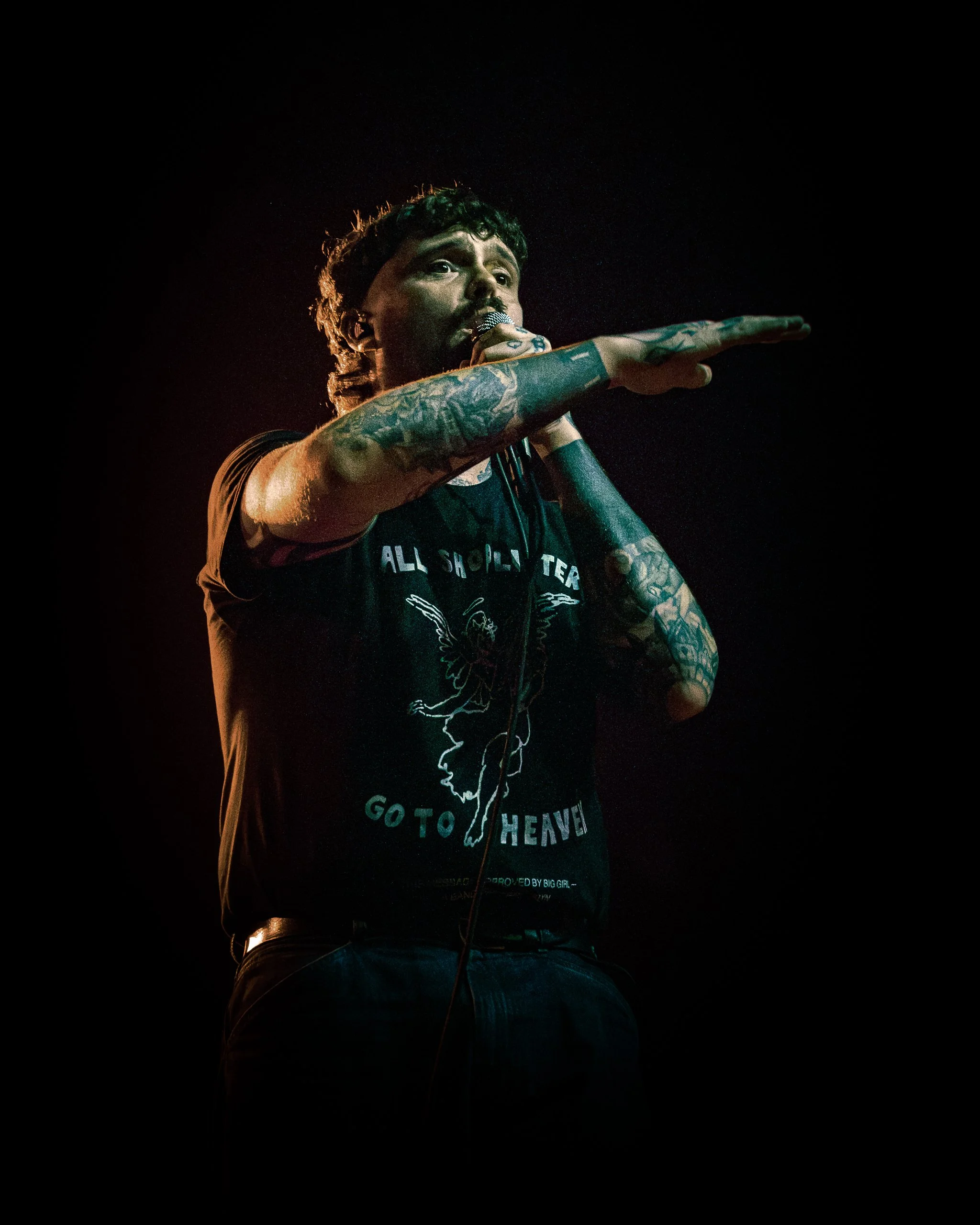
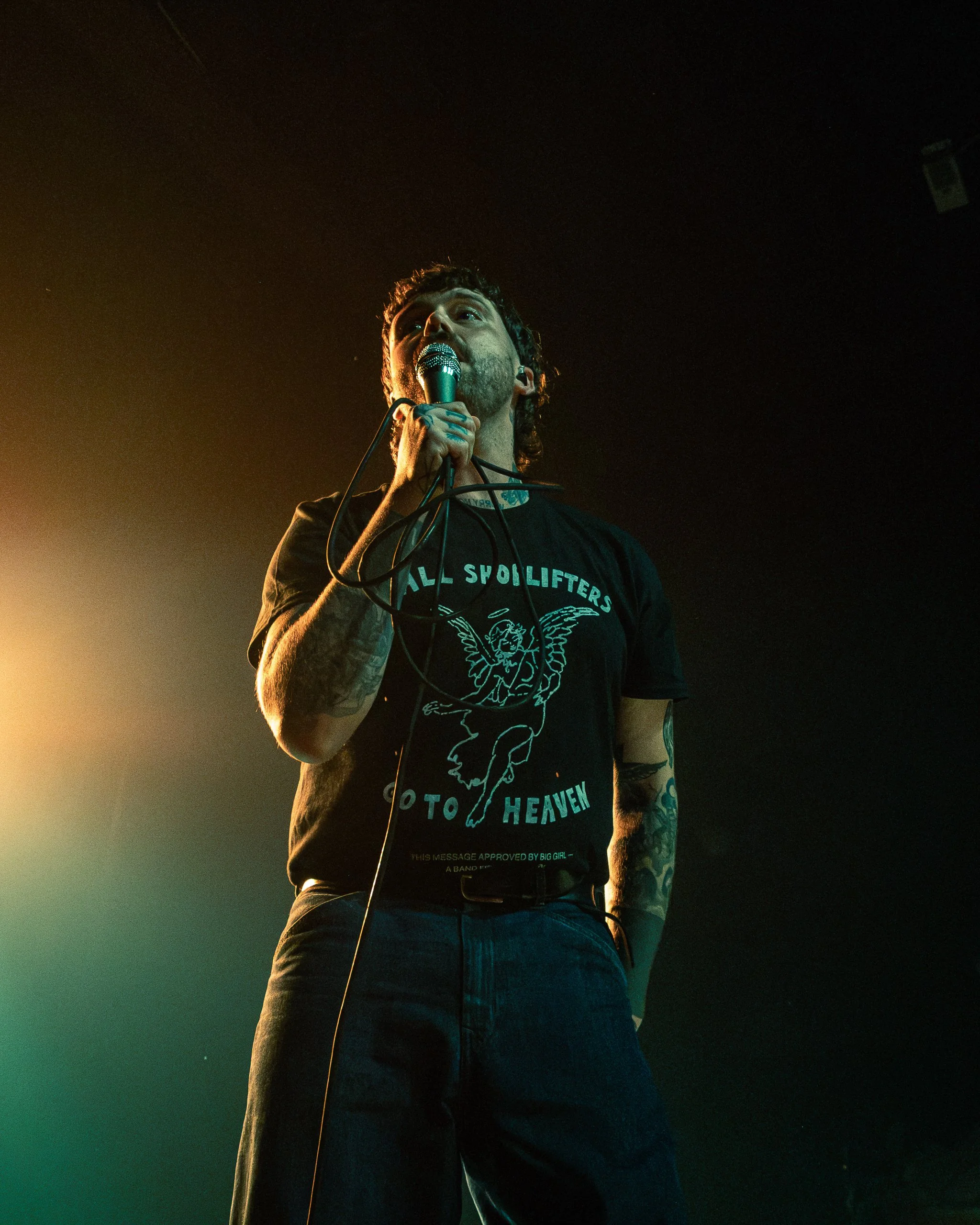
Joe performing at The Orange Peel; Asheville, NC
The brewery was busy and right beside The Orange Peel. The background was washed with sounds of people talking, glasses clanking, the occasional loud laugh across the bar with faint music coming from all directions. The sun was on it’s way down, right around blue hour.
Callum: “First time in North Carolina, it’s the first time in basically everywhere we’ve been and it’s been amazing, it’s been like, really class, but we’re trying to make the most out of it. Trying to get as many fans and to meet as many people as we can. It’s also really fuckin’…It’s really fuckin’ hard. Can I swear? I can swear.” [laughs]
Joe: “It’s a first experience in a lot of places for us. It’s always like, we do music in England, and growing up, it’s always like, been romanticized…’Touring America’..So it’s cool to be like a real band doing it.”
Cal: “This feels like the first place that’s proper, distinct American-looking, its very cool. Love the hills, love the rolling trees, its beautiful.”
While sitting in the midst of the Appalachian mountains and admiring the quaintness of Asheville, I’m reminded of the folklore and ghost-stories I grew up hearing. The Brown Mountain Lights, The Devil’s Tramping Ground and various haunted locations around the state. I asked if they had any stories like this back home.
Cal: “The Wrekin is haunted, aye?”
Joe: “The Wrekin? ‘All around the Wrekin'.’ Yeah, there’s an old saying: ’All around the Wrekin’ which means to go the long way.
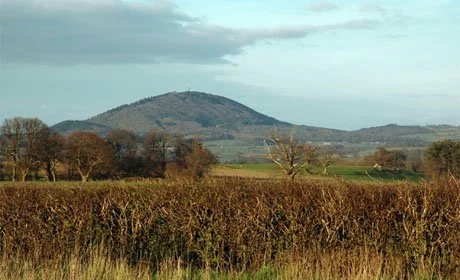
The Wrekin (Pronounced REE-kin) is an iconic hill in Shropshire, England which is rich in folklore and local legends. Stories include a murdered girl searching for justice, phantom planes and unexplained engine noises, and even a possible giant who could’ve been responsible for creating the fabled hill.
Image Source: The Geological Society of London website
Cal: “Yeah, if you’re doing something and you’re doing it the long-winded way like stressin’ out and sorting this and sorting that, you say ‘oh, I’ve been going all around the Wrekin’ cause It’s this big hill. But yeah, people have said there’s a little victorian ghostly spirit girl up there and people have seen some shit.
I think it’s also kind of a miserable part of the world, people are desperate to find a reason so they’re like ‘Oh, it’s just haunted, It’s a ghost’s fault!’ [laughs]
HUG A BASTARD.
Joe and Callum have been in the states for about two weeks at this point and were surely feeling homesick. I drew them up a doodle of Heinz 57 beans before the interview.
[Joe and Cal both laughing]
Cal: “I would scarf these down right now!”
Joe: “‘Beanz Meanz Heinz’”
Cal: “‘Beanz Meanz Heinz’ . They’re saying if you’re gonna have beans, it means Heinz. They’re the best. There’s a particular one of these as well that has sausage chunks and thats my Sunday hangover right there, baby! Beans are so engrained in our culture that my nickname for my wife is Beans. We fuckin love beans, bro. As brits, fish & chips and beans are two of our most prominent dishes.”
Me: And the eggs and chips on your album cover?
Album cover for “National Average”, The sophomore album from Big Special.
Cal: Yeah, National Average. Everywhere you go people have their version of beans, meats, cheese, and bread. But it’s their identification of home and the recognition of ‘this is what everybody has and gets’ so when we did that second album, which is all about people having a normal lived experience, but then, you suddenly have a switch and a change in your life; thats what the album is about. We wanted it to encapsulate like the normal-the average lived experience.”
The average lived experience and the frustrations with everyday life are one of the most prominent themes of Big Special’s music. They carefully toe the line of making songs relatable while maintaining their authentic personalities and individual perspectives.
Cal: “We try to keep this broadness. Like that first album was all written about our experience growing up in the Midlands but it’s called “Post-Industrial Hometown Blues” instead of like.. “Midland Blues” or something. It’s about the experience that everyone who grows up in these towns and places that used to have industry and were important and then it crumbles, ya know?”
Joe: “The idea behind it is that the stuff we’re talking about here, even though it’s put across in such a personal way, it’s actually a universal experience and that’s what were trying to say with that like; If it’s about us, its about you as well. If we’re just honest about that, maybe you’ll hear that in yourself as well. We’re just trying to find that line.”
“IF IT’S ABOUT US, ITS ABOUT YOU AS WELL.”
Me: Do you think if you make things too specific and too personal that they will be less relatable?
Joe: “Even then, you can relate that. There’s this old folk song called ‘The Lag Song’ we really like and there’s this guy we really love, a musician called John Francis Flynn, and he does a version of this song. It’s about being locked up in prison like a hundred years ago or something, which, is very specific and we haven’t been locked up a hundred years ago, but it’s about feeling trapped and isolated. So it’s like, there’s your relatability. That conversation lately has gone really, really far. I was talking to this girl about reading this book and she was like ‘oh, but like, it isn’t written by anyone like me’ and I was just like ‘isn’t the purpose of art to create relatability where you might not have seen it?
That’s why people are pushing for like, outsider art and art from different cultures and sexualities and all that sort of stuff because it’s a bridge for relatability, ya know what I mean?”
“ISN’T THE PURPOSE OF ART TO CREATE RELATABILITY WHERE YOU MIGHT NOT HAVE SEEN IT?”
Excerpt of lyrics from Plaintive Native
In my opinion, one of the most intriguing things about Big Special is the way they deliver their lyrics. It’s almost spoken-word instead of singing and it meshes incredibly well with the music behind it.
Cal: [Talking to Joe] “It’s funny as well, when we met, you were a musician but like, I always just thought of you as a poet because it was the main format of how you delivered your view of the world, isn’t it? It always felt like poetry - we sort of made it a bit more of a focus on this project. I think the thing that made the poetry feel even more natural is because we wanted it to sound like where we’re from. Whenever you used to sing it was always like..you can’t really hear the accent as much as when you’re speaking. It’s the same with almost everyone; its hard to hear people’s accents when they’re singing.”
Joe: “I definitely didn’t have it (the accent) I think I avoided it back then.”
Me: Did you guys try to hide your accent?
Cal: “Yeah, used to when I was younger.”
Joe: “Where we’re from isn’t very proud of it and we’ve grown up to be quite, like ashamed of it. Really brought up that way. Cal’s like the first Midlander in his family.”
Cal: “It was sort of like the butt of a joke.”
Me: Yeah, its about the same for our accent (southern) and I definitely try to hide it sometimes.
Joe: ‘North Carolina.’- [In his best attempt at a southern accent. Gotta say, it was pretty accurate.]
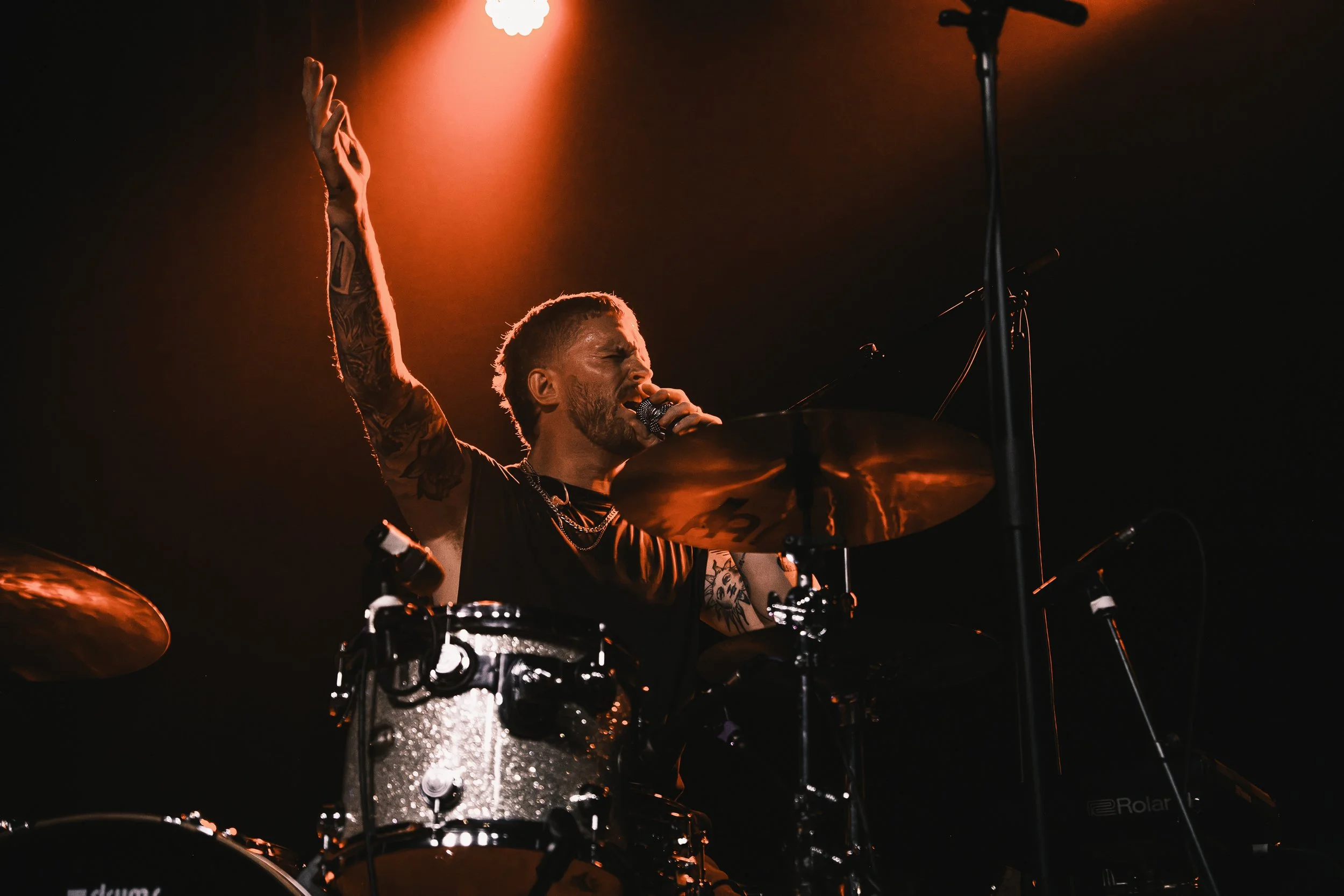
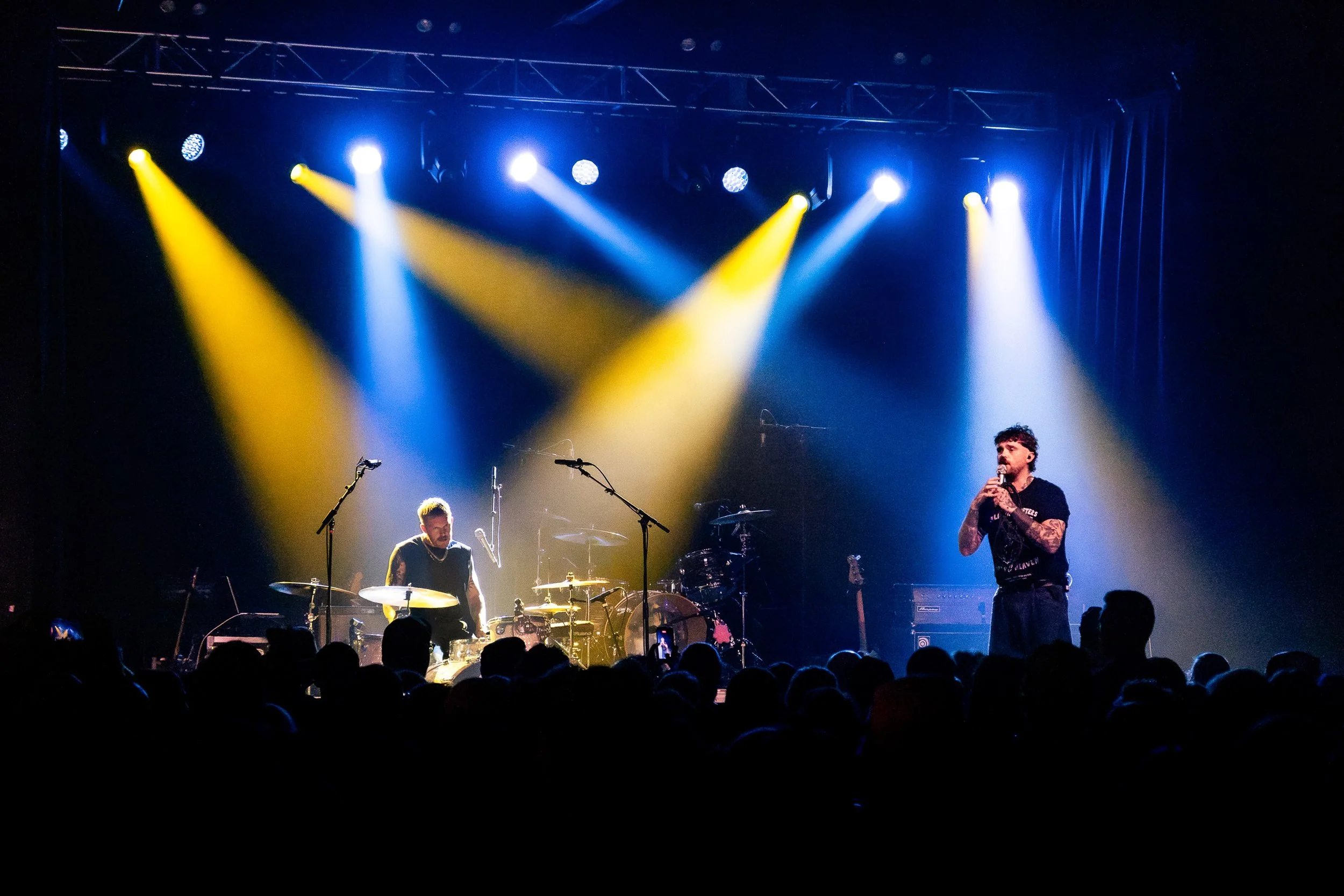
Callum Performing at The Orange Peel; Asheville, NC
There is something quietly defiant about Joe and Callum embracing the accents they once tried to hide. Having grown up in a region so often dismissed or mocked by outsiders, they have made the Black Country’s identity a core part of Big Special’s sound.
PLAINTIVE NATIVE.
Truly understanding a place means looking beyond its people and traditions to the forces that have shaped it. Across Britain (and probably everywhere else, honestly) once-thriving industrial townsfolk have been left to deal with the consequences of deindustrialization as jobs were shipped overseas, industries were abandoned, and the land itself has been reshaped by the extraction of its resources. The livelihoods and identities built around these industries have eroded, leaving communities to navigate the aftermath while those responsible for the decisions often remain far removed from their consequences. In that vacuum, frustration can be redirected towards an easier target: Immigrants. Cast as the cause of declining towns and dwindling opportunities rather than as fellow people caught within the same economic machinery. It is against this backdrop of lost industry, wounded regional pride, and misplaced blame that Big Special finds some of their most relatable melancholy and dark humor.
Cal: “Where we’re from is the birth of the industrial revolution; its where all engines and steam and everything came out of. From the 1600s to the 1800s, it was like the powerhouse of the country, even through to like WWI and WWII.”
Me: Now it’s mostly ignored, right?
Cal: “All the industry left, all the industry went abroad and now it’s just..ya know, got killed.”
Joe: “It’s like so many small towns over here isn’t it? Where there’s more industry and then they just take away that one big factory in that town-”
Cal: “-Whole thing falls apart.”
Me: Something similar happened in my hometown, Hickory. It was a huge furniture manufacturing town. My grandma was working in a prominent furniture plant and then they sent the work overseas and she lost her job. A lot of people suffered from things like that in our area, not just her. There are also some super small mountain towns that are rich in resources in North Carolina that may get dug up in the next decade or so for things like lithium.
Cal: “All this nature is holy until they need something from it. ‘Look at all our beautiful rolling hills!…Dig ‘em up!’”
Joe: “Yeah they’ll dig up your land and send all your work to China”
Me: “And then they blame China.”
Joe: “They blame China or they blame the immigrants coming over and taking all the work like nah, ya sent it all away.”
Me: The people that hire the immigrants are looking for cheap labor but no one blames the companies, everyone blames the immigrants who are just trying to find a better life. It’s absolutely ridiculous.
Cal: “I feel like people are so quick to lose empathy but it’s because they’re not expected to have empathy anymore, know what I mean?”
Joe: “Or they’re struggling as well. Everyone's got a hard life in a lot of ways and people aren’t encouraged to think that way. They’re encouraged to think the opposite way, which is blame. Blame the immigrants, blame the poor and all that stuff. It’s the most successful political tactic in history and that’s why they still do it.”
Cal: “The evidence in it is how it's exactly the same - we’ve had the honor of 3 years of touring the world, but its the exact same at every single place we’ve been.”
Me: ‘it’s not my fault, it’s not his fault; it’s their fault’
Cal: “England’s riddled with it now.”
Joe: “Even if they know someone, like where we’re from, lots of racism where we’re from as well. When someone from one of those communities was around, and I've heard people say, it’s horrible, but I've heard things like ‘he’s one of the good ones’ which is horrible. But, if you translate that, they’re actually just saying that that’s the only one they know and they just haven’t got the perspective to think ‘oh, they’re just people trying to work and live’ and that sort of shit.”
Me: Around here, too, the people that think that way are often the poorest and the closest to being in a situation that an immigrant would be in.
Joe: “Cause they’re the closest, pitted against each other. That’s where all the hate is, mostly because that’s where it’s manufactured to be. Cause some of these people, they work at the same place and live on the same street and that’s where its really pushed in to create the divide. Rather than seeing how silly it is to feel divided. when you work at the same place and live on the same street.
Me: And shop at the same stores, know the same people, go to the same church, even.
Joe: “It’s crazy.”
Excerpt of lyrics from Garden of Fools.
“Home” is such personal thing for everyone and I applaud Joe and Callum for being so in-tune with who they are and what makes them tick.
Home can be beautiful and dirty.
Home can be loud and peaceful.
Home can be disheartening and encouraging .
Home can be joyous and frustrating.
Home is the people you surround yourself with and their stories, customs, attitudes and opinions.
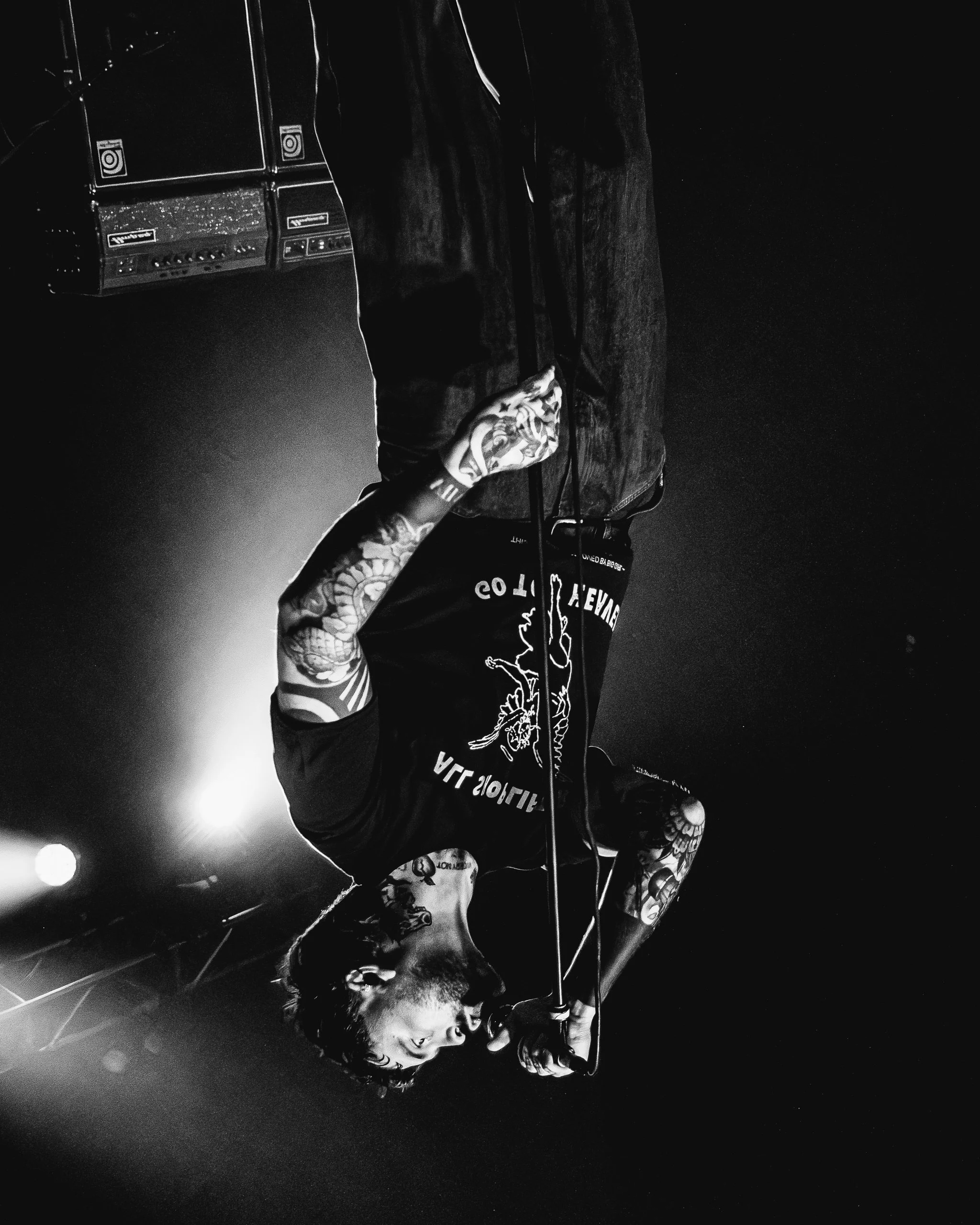
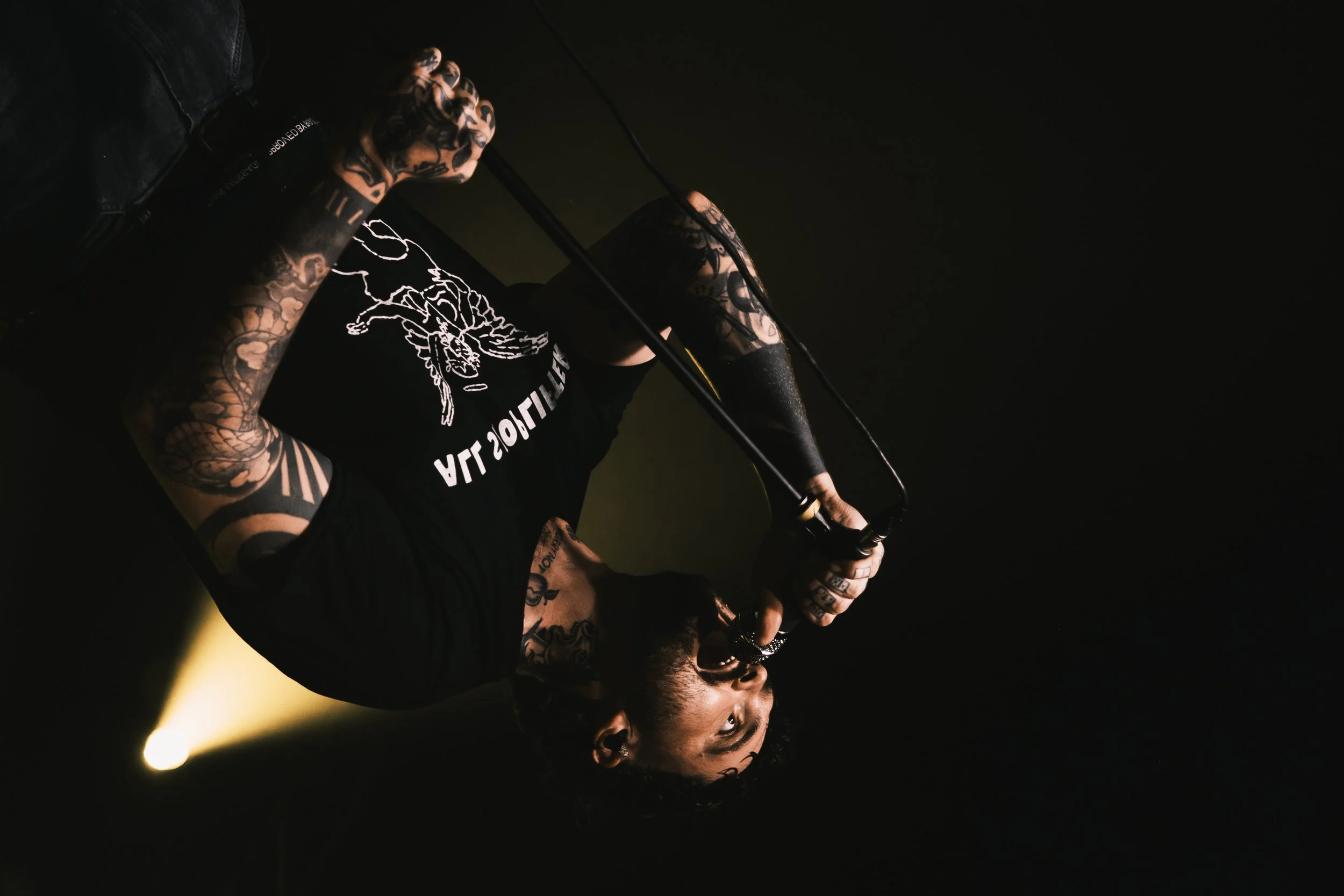
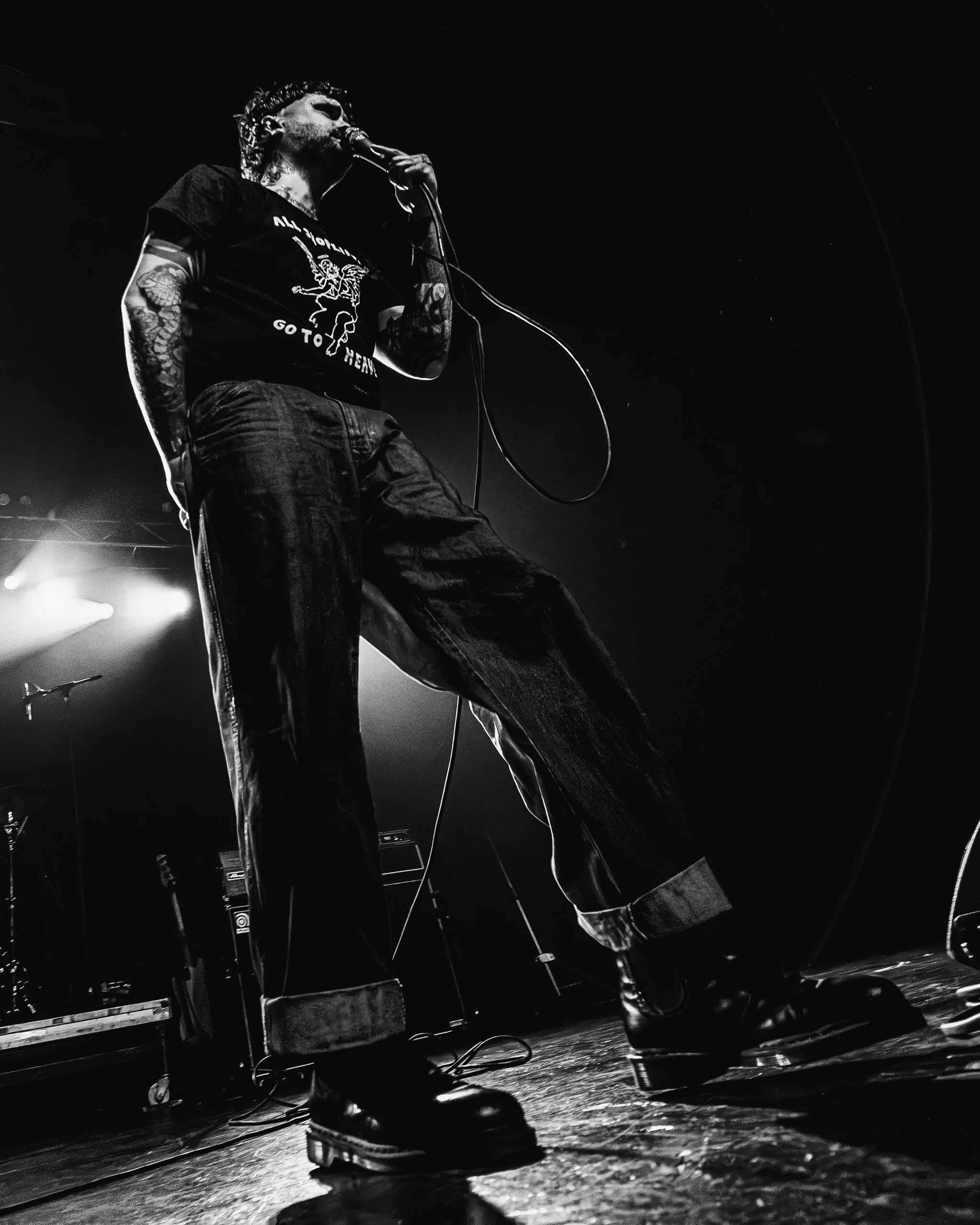
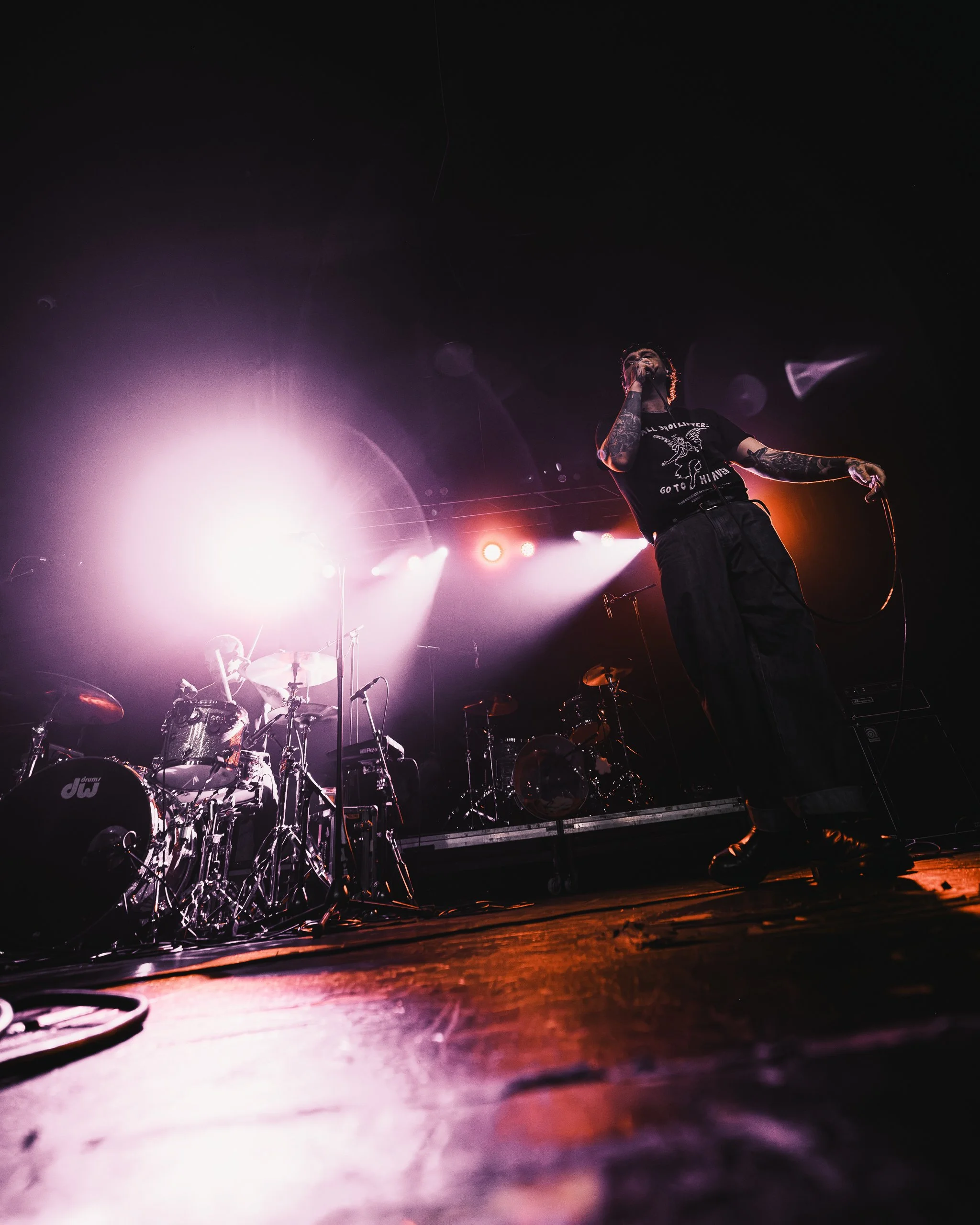
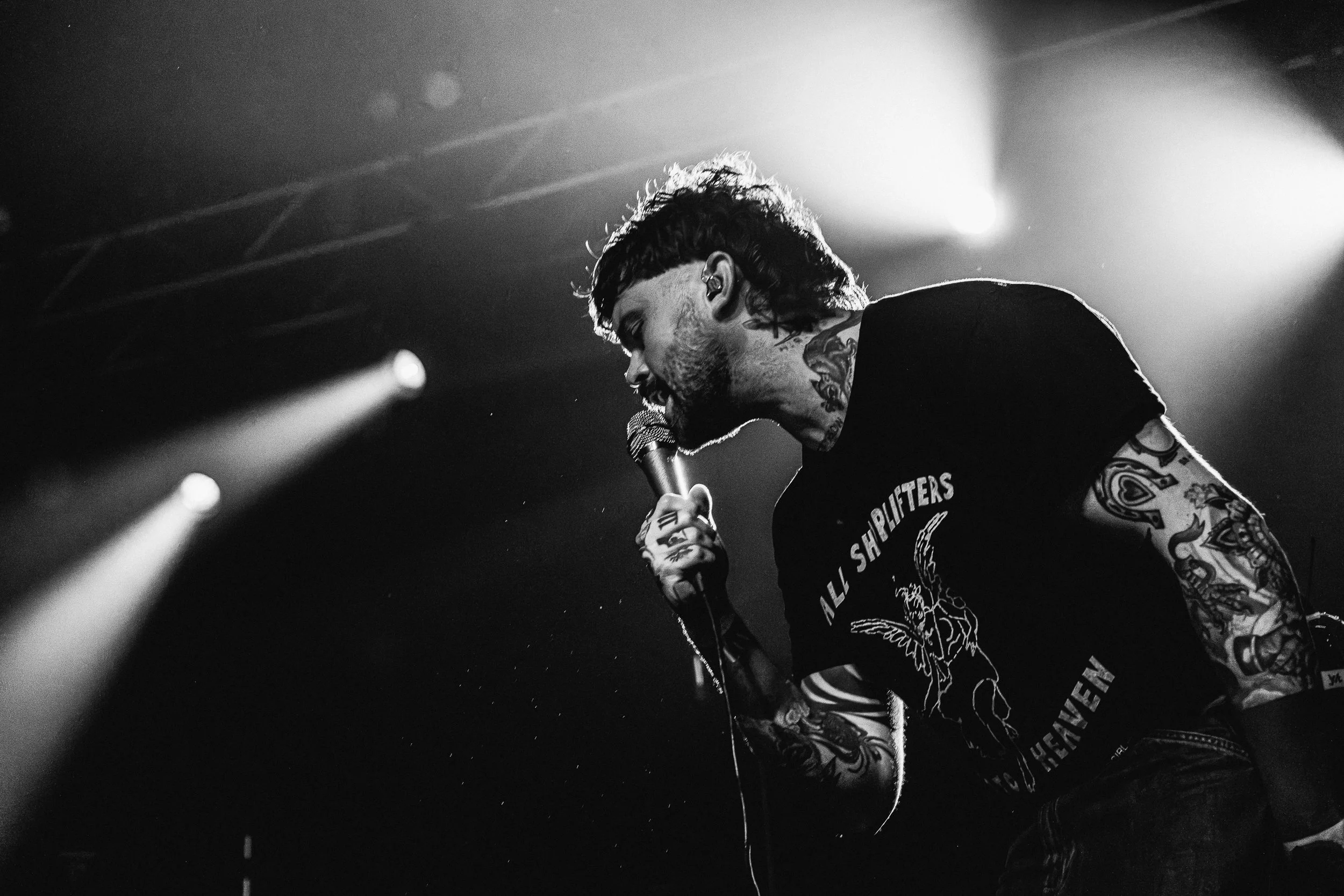
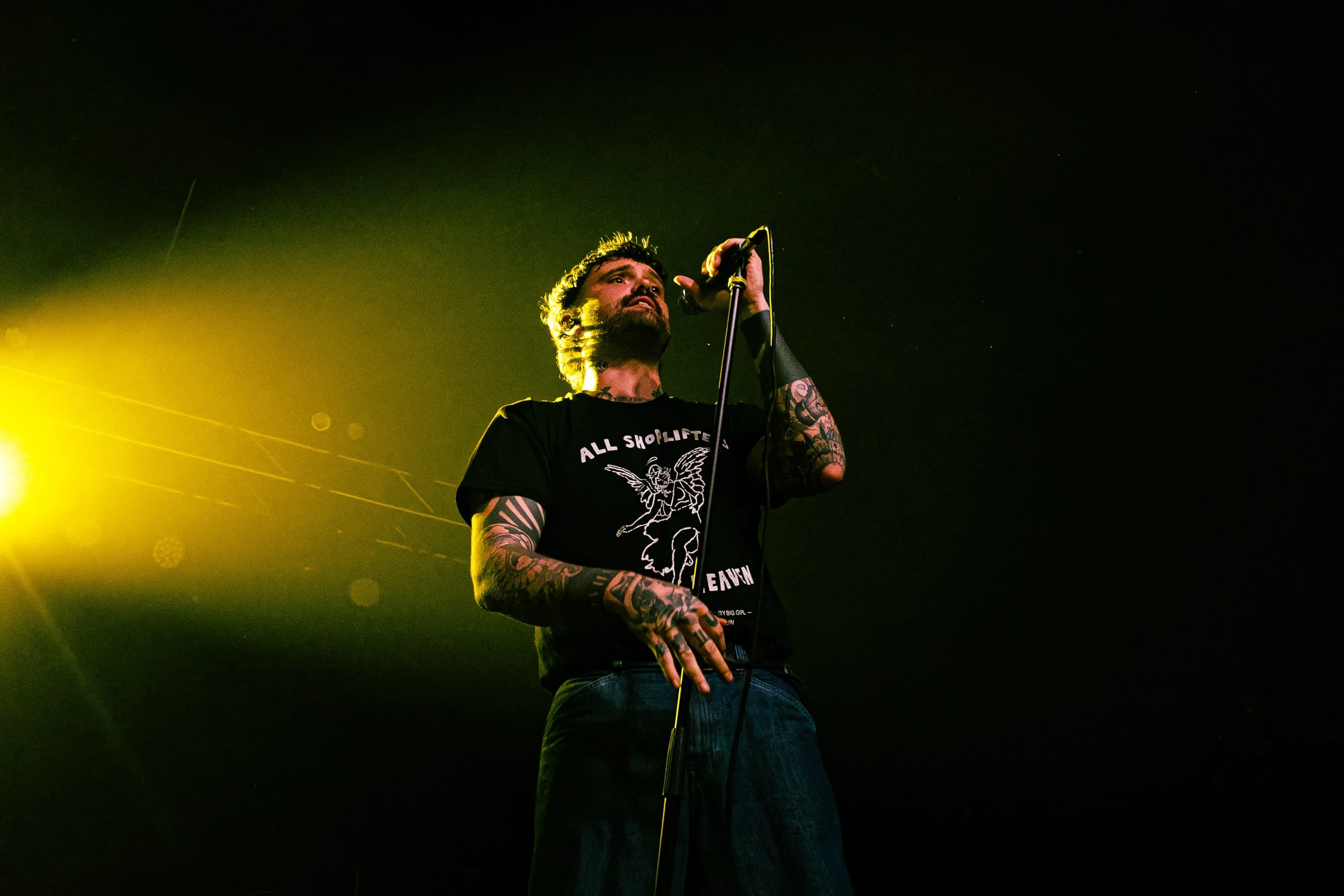
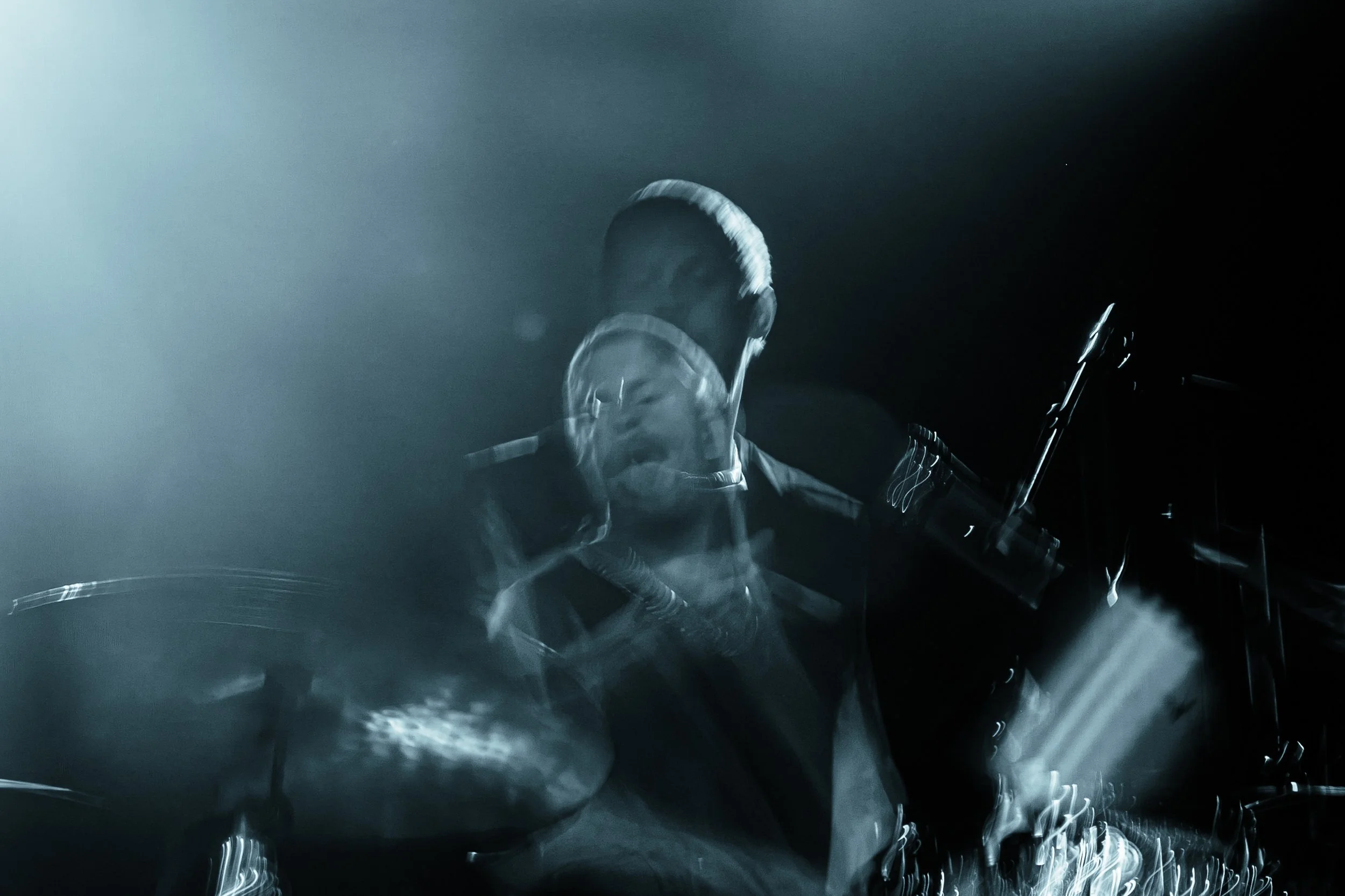
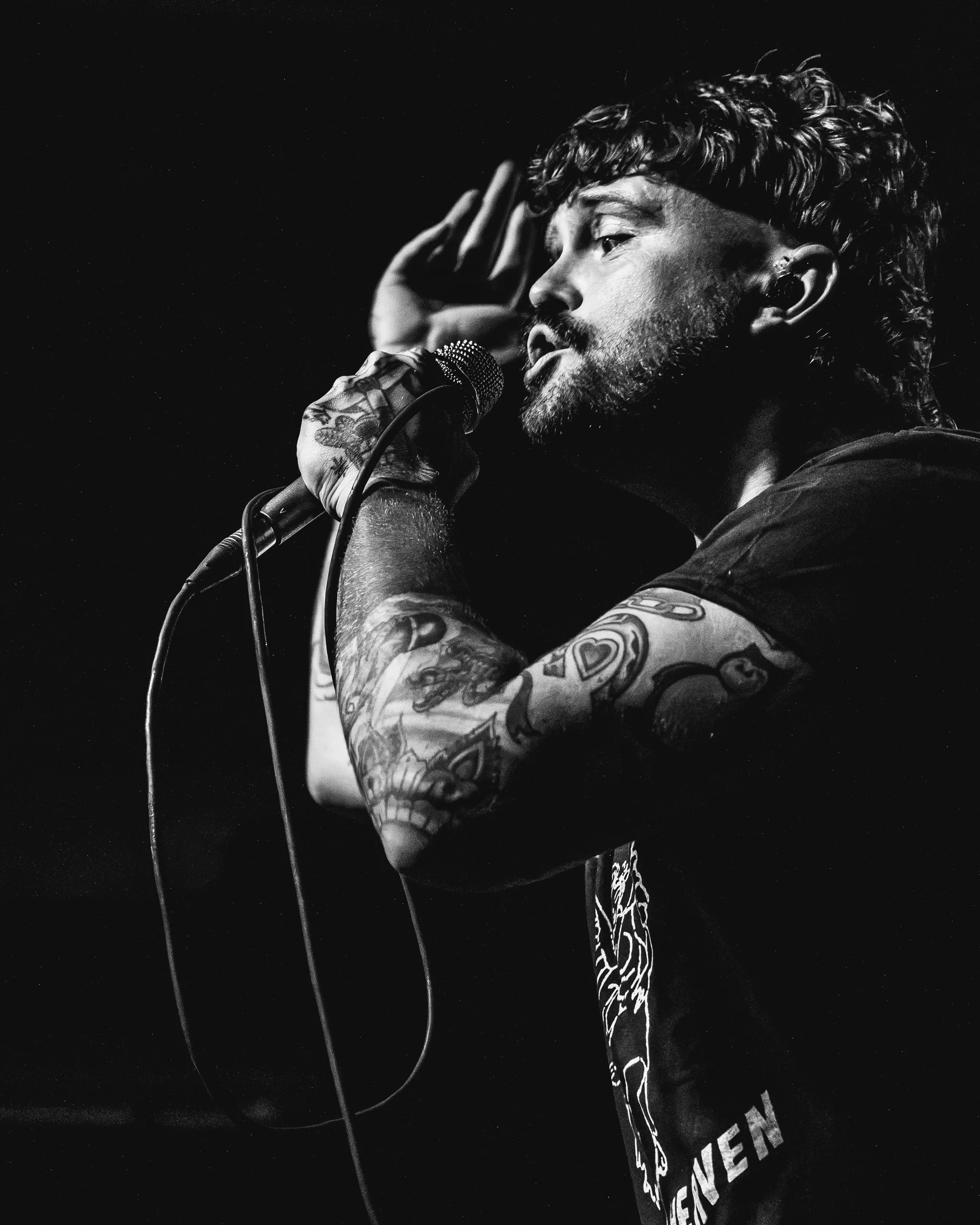
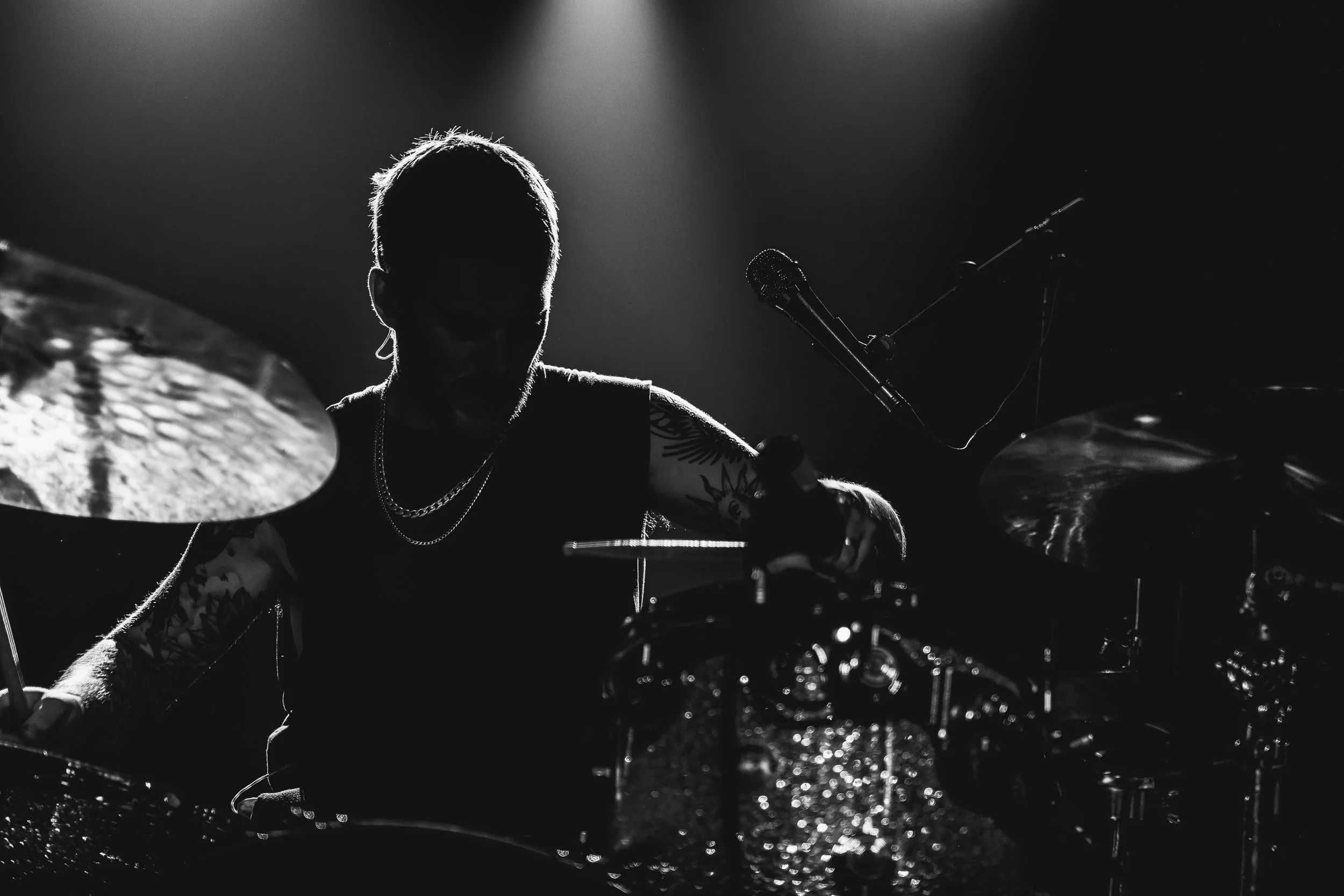
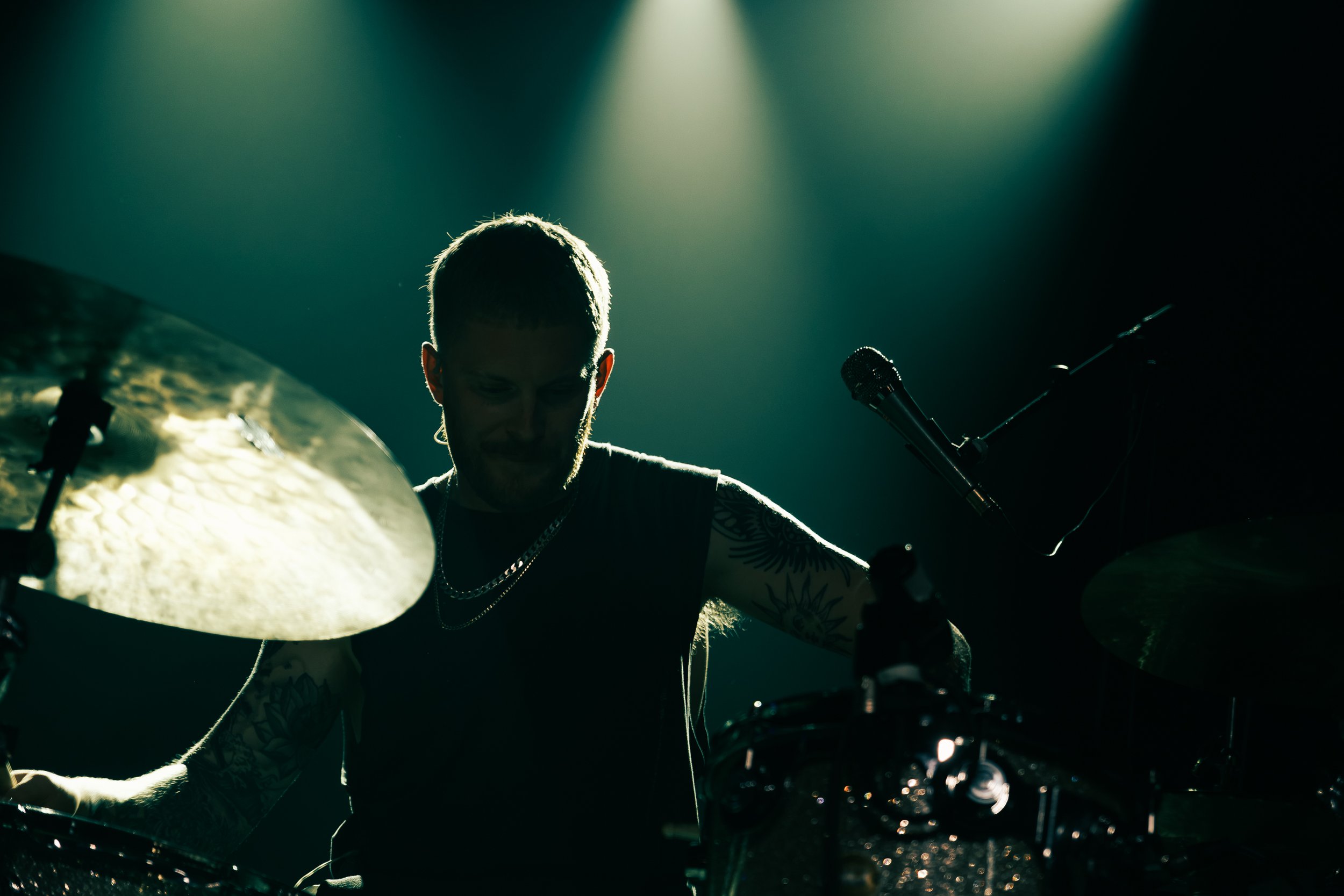
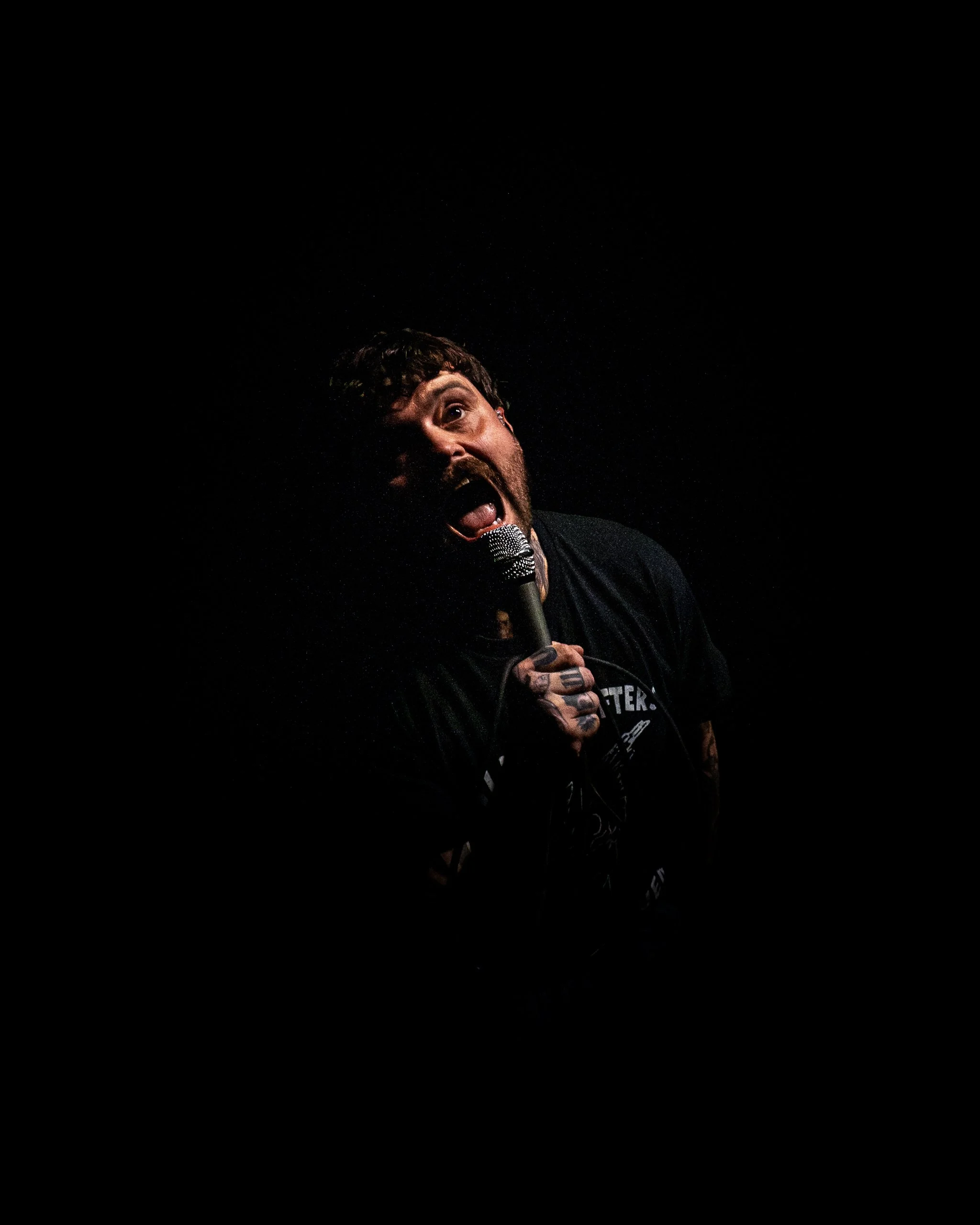
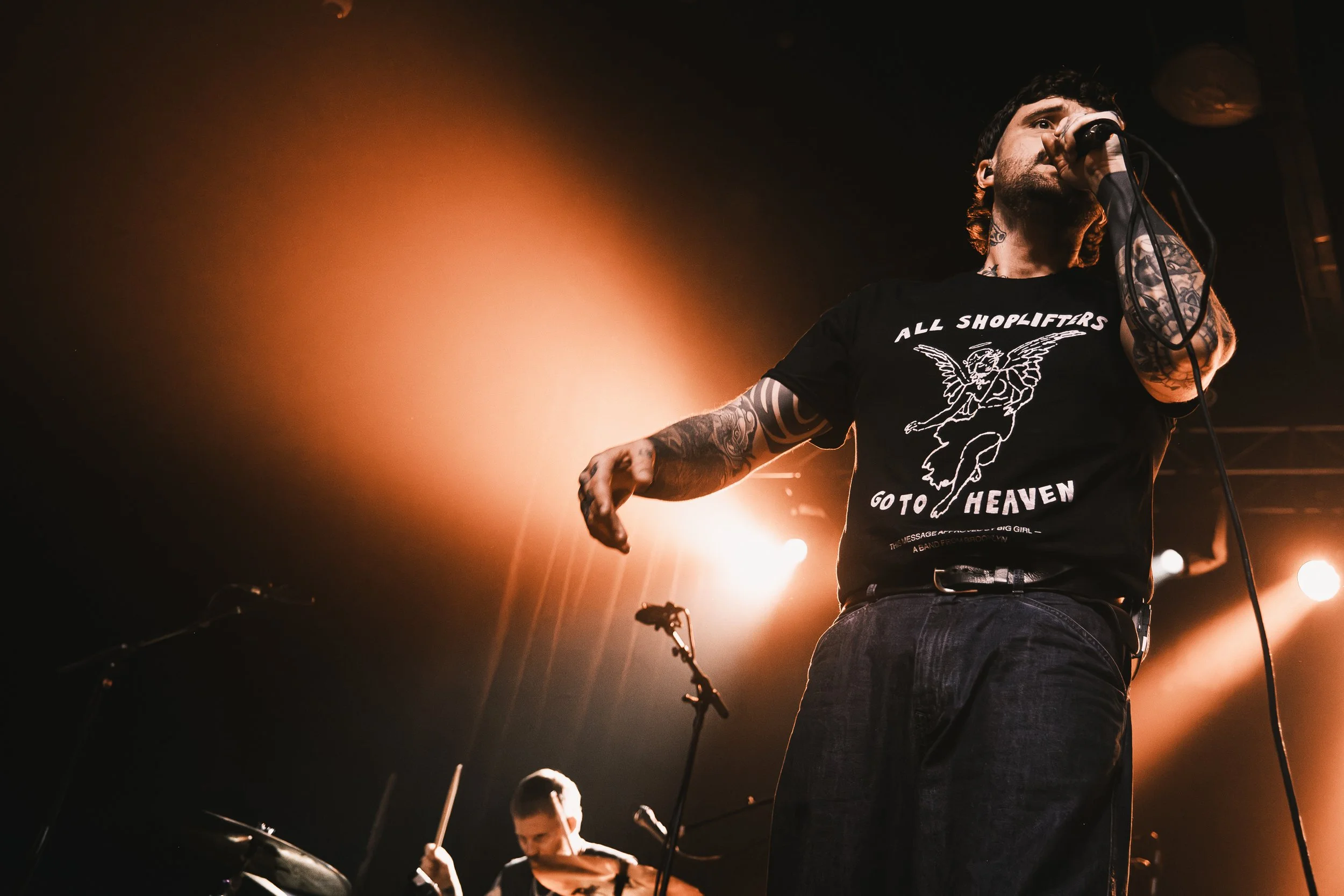
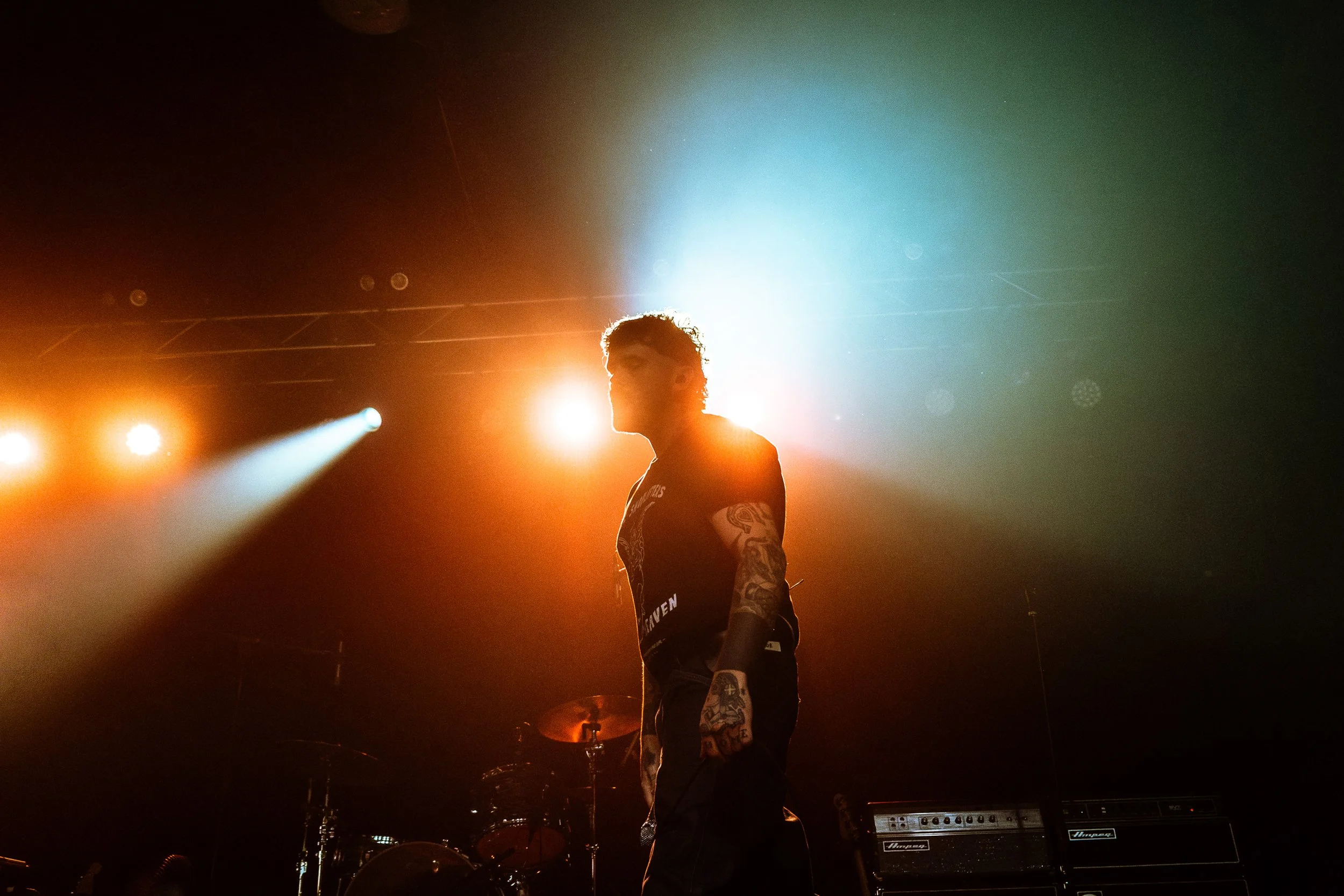
For right now, though, Big Special’s home is the stage: Below is a gallery of Big Special performing at The Orange Peel.
Photos by Nick Martinez and Benjamin Hall:



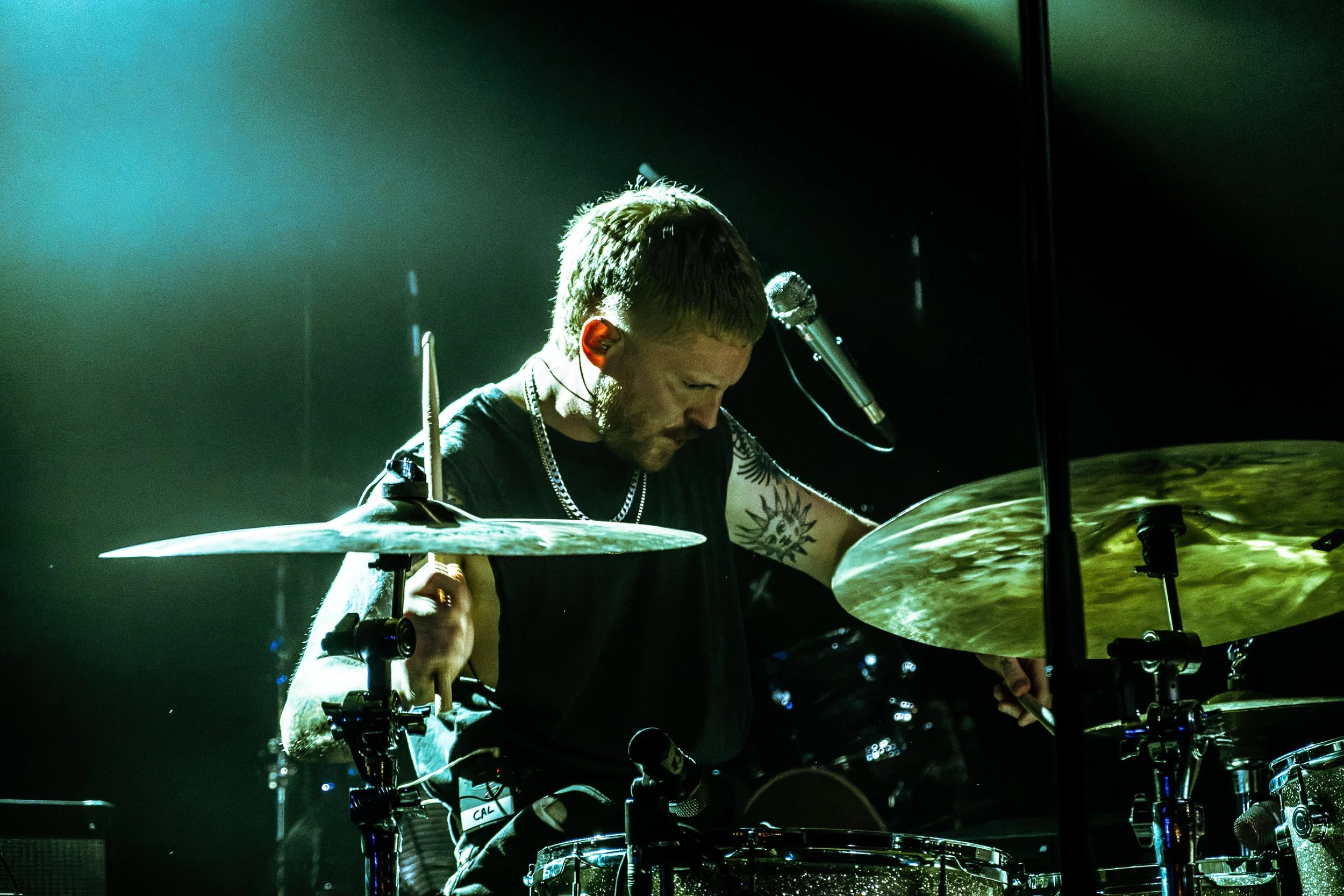
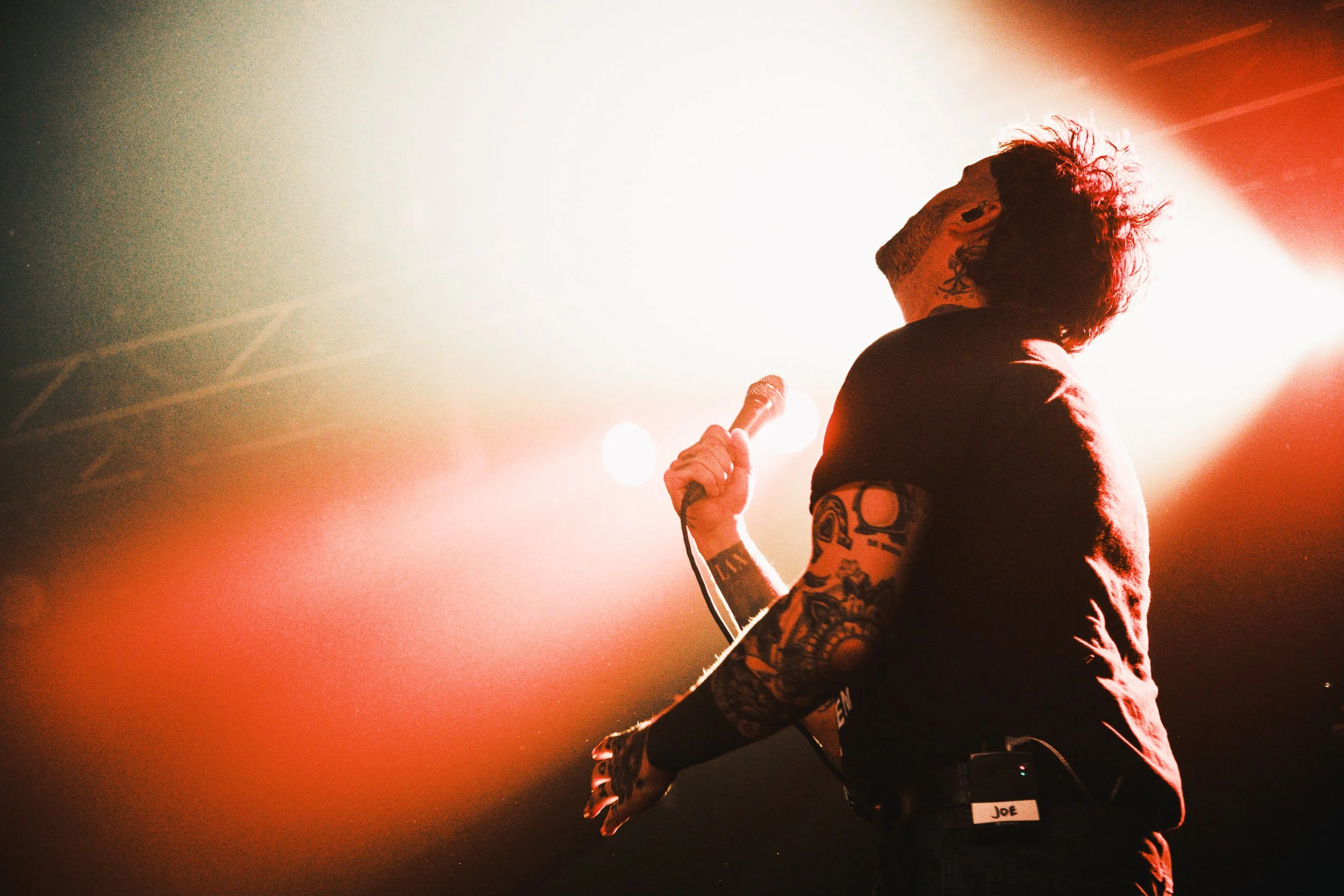
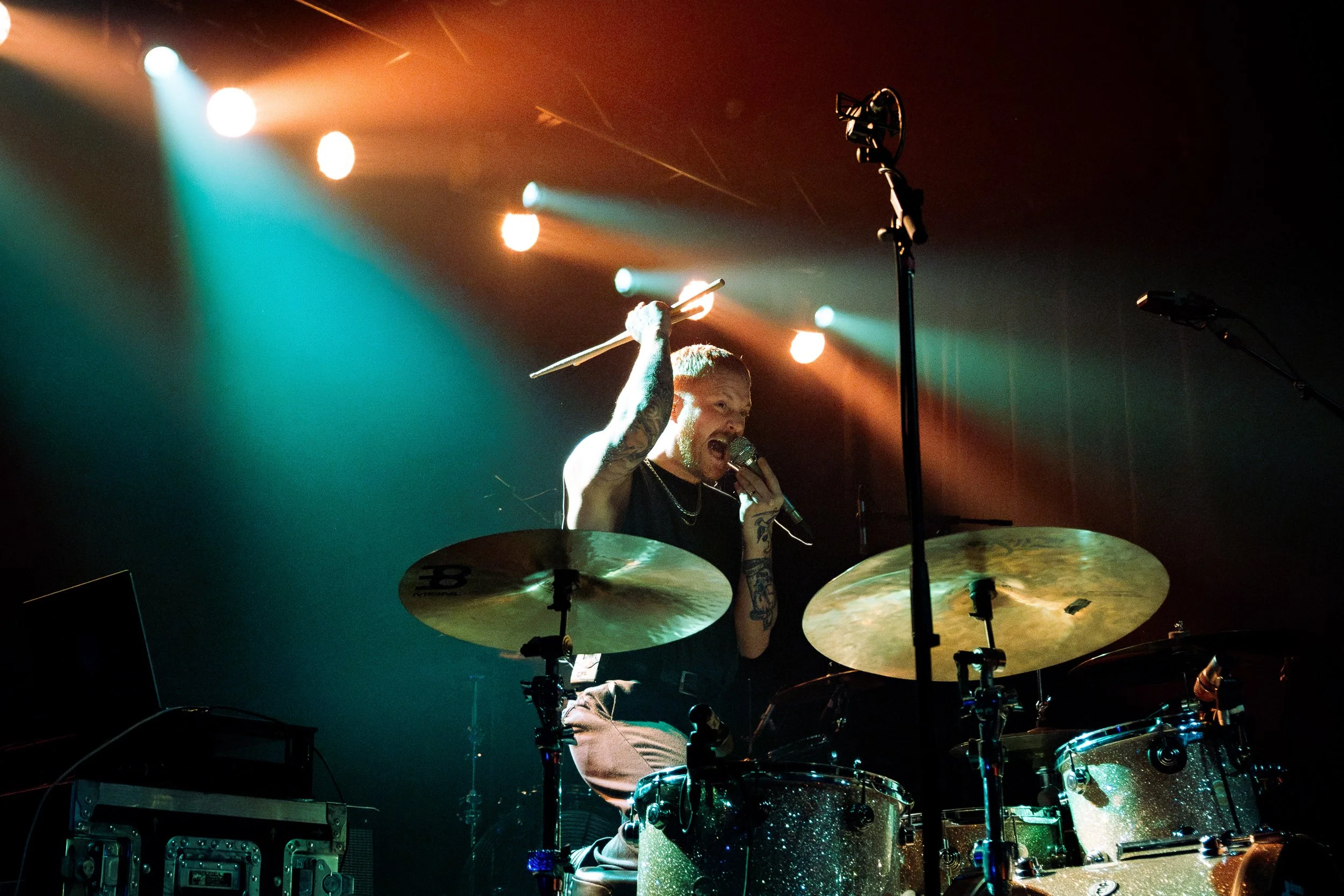
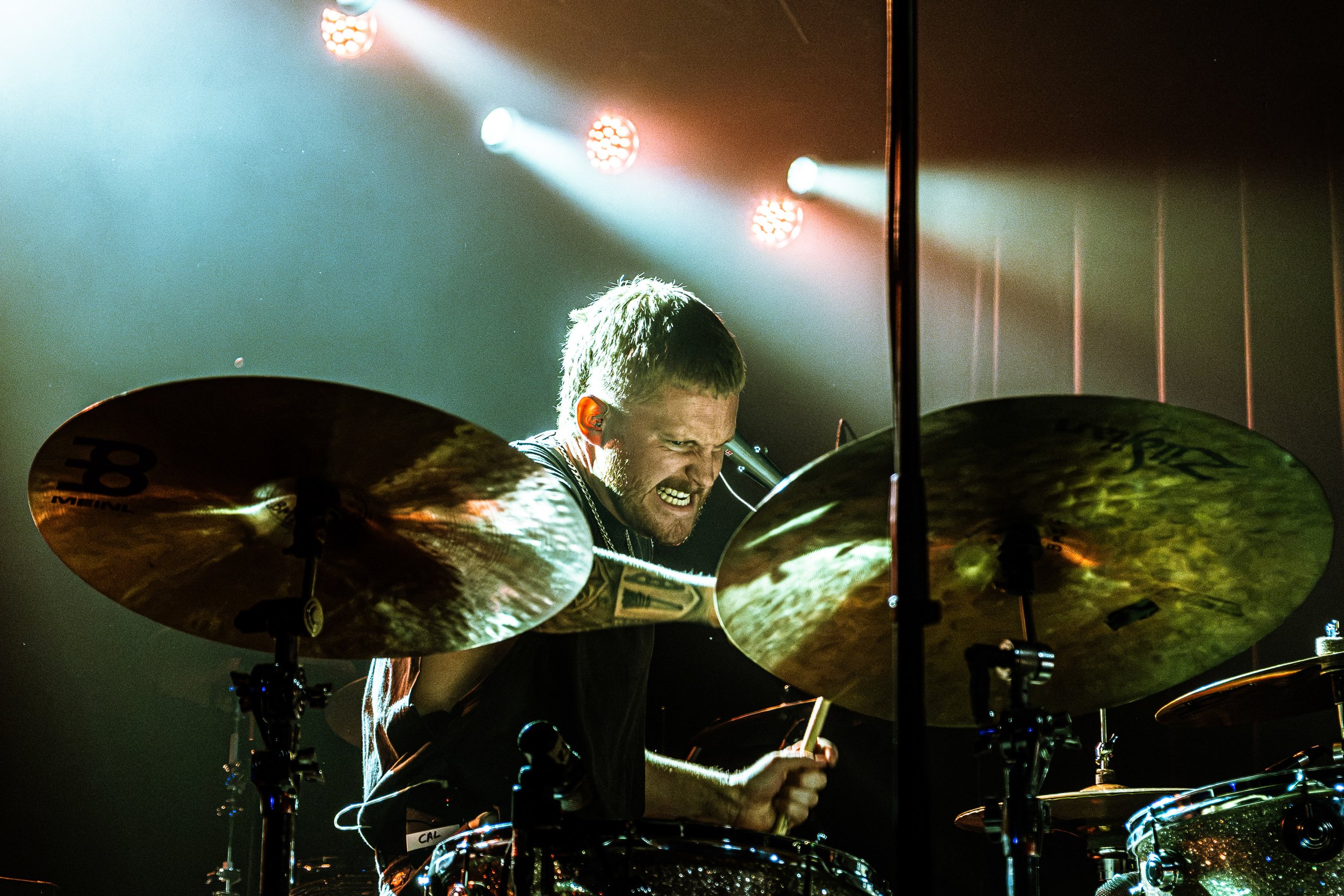
Big special has just released their latest EP O’ Joy via SO Recordings. The EP is a ten-track collection of songs that didn’t quite match the emotional palette of the National Average or Post-Industrial Hometown Blues, but have been reworked and refocused to have a meaning of their own.